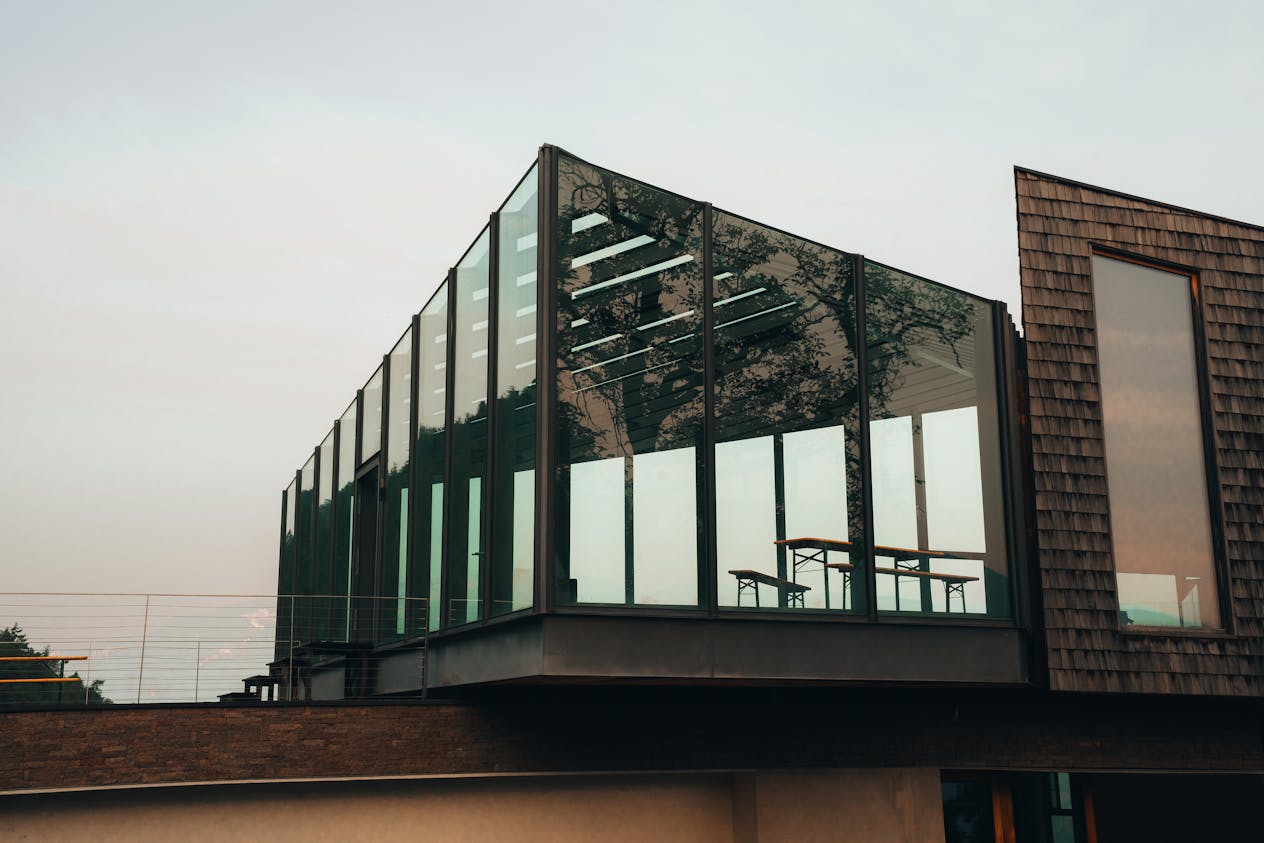
Glass box extensions have become a defining feature of contemporary home design, offering clean lines, uninterrupted views, and a strong connection between interior and exterior space. For homeowners considering this type of project, one of the first questions is always cost.
The reality is that glass box extensions are highly bespoke. Unlike standard brick-built extensions, pricing can vary significantly depending on design ambition, structural requirements, and site conditions. Understanding what drives those costs is essential if you want to set a realistic budget and avoid surprises later on.
What is a glass box extension?
A glass box extension is a structural glazing installation designed to create a minimal or frameless addition to a property. Typically featuring large panes of structural glass with little to no visible framework, these extensions prioritise transparency, light, and architectural simplicity.
They are often used to extend kitchens, living areas, or create striking transitional spaces between the home and garden. The design intent is usually to make the structure feel as visually light as possible, which has a direct impact on both engineering and cost.
How much does a glass box extension cost in the UK?
There is no single price point that applies to all projects. Broadly speaking, glass box extensions tend to sit at the premium end of the extension market due to the specialist materials, engineering, and installation involved.
Rather than focusing on fixed figures, it is more useful to think about cost in four main categories:
- Design and specification
- Structural and site preparation
- Glazing manufacture
- Installation and finishing
Each of these elements can vary widely depending on the project, which is why headline prices without context can often be misleading.
What affects the price of a glass box extension?
Several key factors influence the overall cost, and most projects will involve a combination of these variables rather than a single defining element. Size and scale play an obvious role. Larger extensions require more glass, more structural support, and more complex installation processes. However, smaller projects are not always proportionally cheaper, as fixed design and engineering costs still apply.
Glazing specification is another major driver. High-performance glass, such as solar control or low iron glass for enhanced clarity, will increase costs but can significantly improve comfort and appearance.
Structural support requirements are often underestimated. Achieving a frameless or minimally framed look typically requires hidden steel supports or carefully engineered load-bearing glass. These elements must be designed precisely to ensure safety and compliance.
Roof design also has a notable impact. A fully glazed roof, for example, introduces additional structural and thermal considerations compared to a partially solid roof.
Other influencing factors include:
- Access and installation complexity, particularly in tight or urban sites
- Ground conditions and foundation requirements
- Drainage and waterproofing details
- Internal finishes and how the extension integrates with the existing property
Each of these contributes to the overall cost in ways that are difficult to standardise across different homes.
Why are bespoke glazing projects priced differently?
Glass box extensions are not off-the-shelf products. Every project is designed around a specific property, layout, and architectural intent.
This means costs are driven by design decisions rather than pre-defined packages. For example, achieving a completely frameless corner or large uninterrupted spans of glass may require advanced structural solutions that increase both design and manufacturing complexity.
Specialist providers like Architectural Structural Glazing approach each project as a unique design challenge. This allows for greater flexibility and a more refined result, but it also means pricing must reflect the level of customisation involved.
Do structural requirements increase the cost?
In most cases, yes. Structural considerations are central to glass box extension design and can significantly influence the budget.
Load-bearing calculations, steelwork integration, and compliance with Building Regulations all require input from structural engineers and technical designers. These elements ensure that the extension performs safely over time while maintaining the desired aesthetic.
For older properties or buildings with unusual layouts, structural complexity can increase further. Existing walls may need reinforcement, or new supports may need to be introduced in ways that are not immediately visible.
Are frameless glass extensions more expensive?
Frameless or near-frameless designs are typically more expensive than those with visible framing systems.
This is because removing frames shifts the structural responsibility onto the glass itself or concealed supports. As a result, the glass must be manufactured to tighter tolerances and often in thicker or more specialised formats.
The installation process is also more demanding, requiring precise handling and positioning. While the visual result is often striking, it is important to recognise that this level of minimalism comes with additional cost.
What extra costs should homeowners plan for?
Beyond the core build, there are several additional costs that should be factored into the overall budget.
Professional fees are a key consideration. These may include architectural design, structural engineering, and planning consultancy where required. Planning permission is not always necessary, but Building Regulations approval will almost certainly apply.
Other potential costs include:
- Groundworks and foundations
- Drainage adjustments or upgrades
- Heating and ventilation integration
- Interior finishes such as flooring and lighting
- Landscaping or external works
These elements can add up quickly and should be considered early in the planning process.
Why an accurate quote depends on the property
No two properties are the same, and this is particularly true when it comes to structural glazing.
Factors such as site access, ground conditions, existing structure, and design ambition all influence the final cost. A price that seems reasonable in one context may not apply at all in another.
This is why guide prices should always be treated with caution. Without a detailed understanding of the property and the intended design, any estimate is likely to be incomplete.
Before requesting a quote, it is helpful to gather key information, including:
- Approximate dimensions and layout ideas
- Photos or plans of the existing property
- Details of access to the site
- Any known structural or planning constraints
- Your priorities in terms of design and performance
Providing this level of detail allows for a more accurate and meaningful assessment.
A more informed approach to budgeting
Glass box extensions offer a unique combination of light, space, and architectural impact, but they require careful planning and realistic budgeting. The wide variation in costs reflects the bespoke nature of each project rather than inconsistency in pricing.
Working with a specialist such as Architectural Structural Glazing means your budget can be aligned with what is structurally achievable and visually effective from the outset. Early technical input helps avoid redesigns, ensures compliance, and supports better decision-making throughout the process.
Ultimately, the value of a glass box extension is not just in the materials, but in how successfully it transforms the way you use and experience your home.