
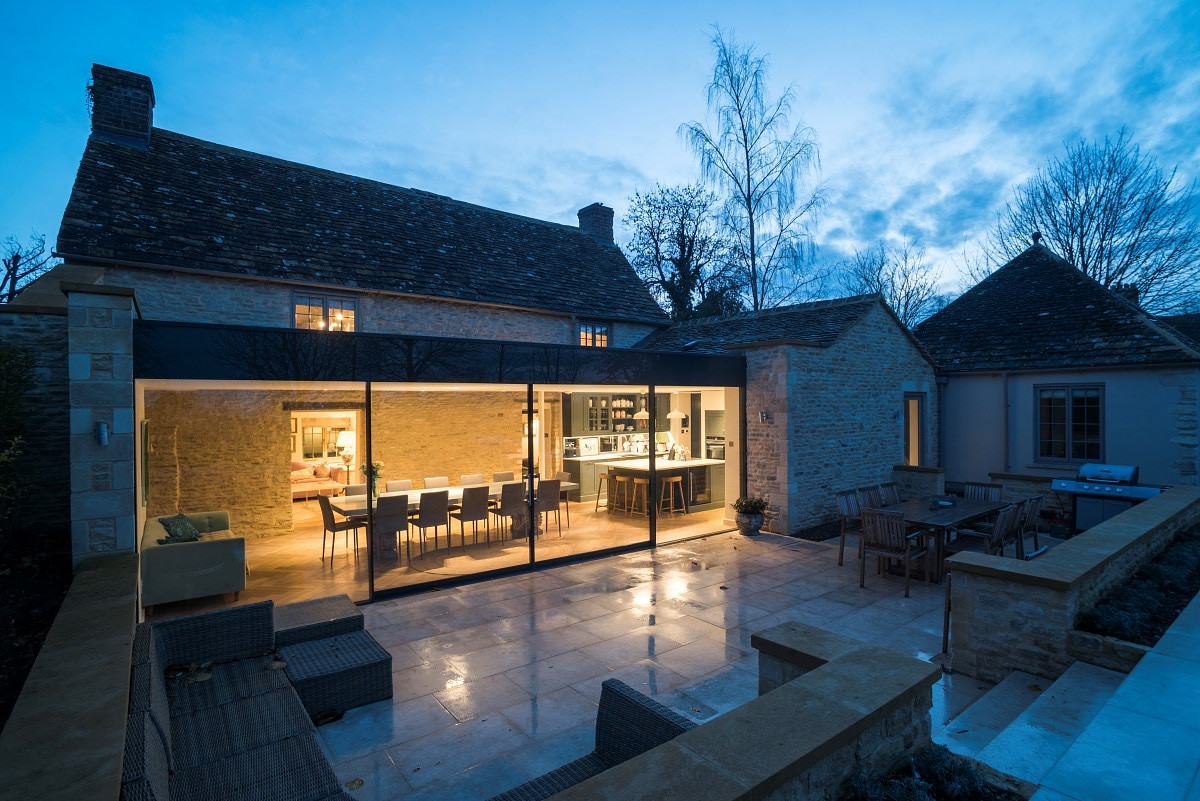
Few design decisions have the power to transform a home quite like a floor-to-ceiling glass wall. When used thoughtfully, it can change not only how a space looks, but how it feels – filling interiors with daylight, opening views, and creating a more fluid relationship between home and landscape.
For architects and designers, however, specifying large expanses of glass is rarely straightforward. The desire for openness must sit comfortably alongside considerations of comfort, privacy, performance and buildability. This is where floor-to-ceiling glass walls – distinct from standard window systems – come into their own, offering a more considered, architectural approach to transparency.
More Than a Window: Rethinking the Wall
Unlike conventional windows, floor-to-ceiling glass walls and windows are conceived as part of the architecture itself, rather than an opening cut into it. They replace solidity with transparency, often running uninterrupted from floor slab to ceiling structure, and in doing so redefine the boundary of the home.
The result is a sense of generosity and calm that’s difficult to achieve through other means. Rooms feel lighter, larger and more connected to their surroundings. Views become part of the interior experience, whether that’s a carefully landscaped garden, a courtyard, or a wider landscape beyond.
For many residential projects, particularly extensions and new-build homes, glass walls allow architects to create contemporary spaces that feel open yet grounded – spaces that respond to their context rather than shutting it out.
Bringing the Outside In – Without Compromise
One of the most appealing qualities of floor-to-ceiling glass walls is the way they support modern patterns of living. Open-plan interiors flow naturally into terraces and gardens, creating spaces that adapt easily to daily life, entertaining and seasonal change.
When glazing spans the full height of a room, the visual threshold between inside and out all but disappears. Carefully aligned floor finishes, flush thresholds and minimal detailing help reinforce this continuity, allowing interior spaces to extend seamlessly into the landscape.
For homeowners, this connection often becomes the defining feature of the home – a place where mornings start with natural light and evenings unfold against a changing backdrop of sky and garden. For designers, it’s an opportunity to choreograph movement, views and atmosphere with subtlety and intention.
The Beauty of Simplicity
From a design perspective, the success of a glass wall often lies in what isn’t seen. Heavy frames, visible fixings and unnecessary junctions can interrupt the clarity that makes these systems so compelling.
Minimal framing and carefully engineered details allow the glass itself to take centre stage. When panes extend uninterrupted from floor to ceiling, the architecture feels lighter and more refined, with structure discreetly integrated rather than visually dominant.
This simplicity doesn’t happen by accident. It requires careful coordination between glazing specialists, architects and structural engineers – particularly when working with large panels, tight tolerances and clean internal finishes. The reward, however, is a result that feels effortless and quietly confident.
Light, Comfort and Everyday Living
Natural light is often the starting point for discussions around glass walls, but it’s equally important to consider how that light behaves throughout the day and across the seasons.
Well-designed floor-to-ceiling glass walls allow daylight to penetrate deep into the home, reducing reliance on artificial lighting and creating a more uplifting internal environment. At the same time, advances in glazing technology mean that openness no longer has to come at the expense of comfort.
Modern glass specifications can help manage solar gain, maintain comfortable internal temperatures and reduce glare – all while preserving clarity and visual connection. Acoustic performance is also an important consideration, particularly in urban settings, where the home needs to feel like a retreat from its surroundings.
For designers, the challenge is finding the balance: transparency that enhances daily life rather than complicating it.
Responding to Context and Privacy
One of the most common concerns around expansive glazing is privacy – and understandably so. Floor-to-ceiling glass walls work best when they respond sensitively to their context.
In rural or coastal settings, glazing can open interiors to expansive views with little compromise. In more built-up environments, careful positioning, landscaping and screening can maintain privacy while still allowing light and outlook to play a central role.
Orientation also matters. Thoughtful placement can maximise daylight while avoiding excessive heat or glare, and integrated shading strategies can add another layer of control without detracting from the architecture.
These considerations are rarely solved by products alone. They emerge through early conversations, careful design development and collaboration across disciplines.
A Collaborative Approach to Glass Walls
At Architectural Structural Glazing, we understand that specifying floor-to-ceiling glass walls can feel complex – particularly when design ambition is high and margins for error are small.
Our role is to support architects and designers through that process, translating design intent into glazing solutions that are practical, elegant and robust. From early feasibility discussions through to detailing and installation, we focus on making glass work quietly and beautifully within the wider architecture.
Every project is different, whether it’s a contemporary extension, a new-build family home or a refined refurbishment. What remains consistent is the desire to create spaces that feel open, calm and enduring – spaces shaped as much by light and view as by form and material.
Designing with Confidence
Floor-to-ceiling glass walls are no longer reserved for bold architectural statements alone. When approached with care, architectural glazing can be a natural and timeless addition to residential design – enhancing everyday living while respecting the realities of performance and construction.
For architects and designers, they offer a powerful way to shape experience, not just space. And for homeowners, they often become the most cherished part of the home: a place where architecture, light and landscape meet.
To discuss how floor-to-ceiling glass walls could shape your design in a refined and practical way, speak with our glazing specialists.