For homeowners looking to extend their living space and bring more natural light into their property, both conservatories and glass extensions present appealing options. However, while they may appear similar at a glance, the differences in design, performance, and long-term value are significant.
Understanding these differences is key to making the right investment for your home, particularly if you are aiming to enhance both lifestyle and property value.
What is a Traditional Conservatory?
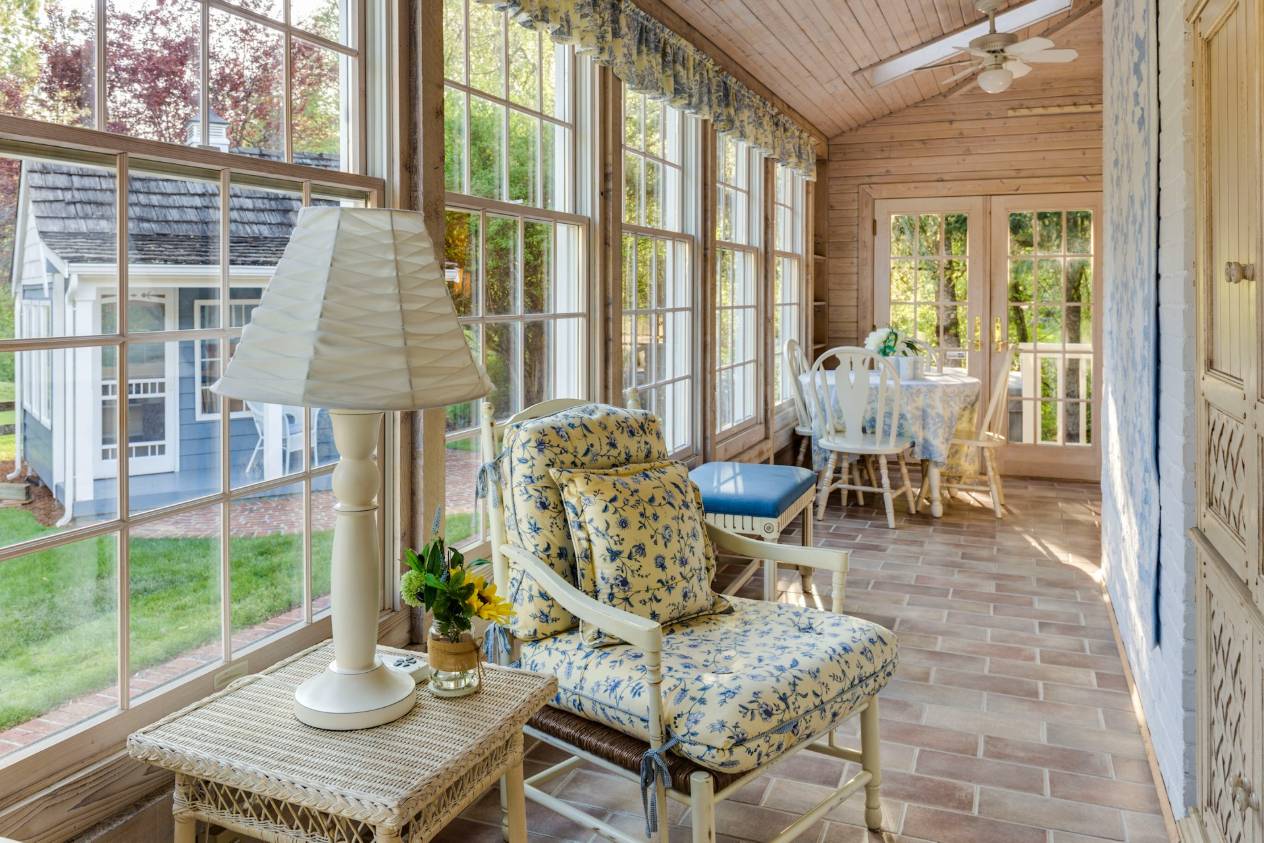
A conservatory is typically a framed structure attached to the rear or side of a property, often featuring a high proportion of glazing combined with brick or dwarf walls. Most are constructed using uPVC, aluminium, or timber frames, with a glazed roof.
Historically, conservatories were designed as garden rooms, spaces to enjoy natural light and outdoor views, rather than as fully integrated living areas.
What is a Glass Extension?
A glass extension, often referred to as a structural glazing extension, takes a more architectural approach. These spaces are designed as a seamless continuation of the home, using large expanses of glass with minimal or frameless detailing.
Rather than being an add-on, a glass extension is fully integrated into the property’s design, often forming part of an open-plan layout that connects interior and exterior spaces.
Key Structural Differences
The most noticeable distinction lies in how each structure is built.
Traditional conservatories rely on visible framing systems to support glazing panels. While modern versions have improved in quality, the framework remains a defining feature.
In contrast, glass extensions utilise advanced structural glazing techniques. These allow for minimal framing and larger uninterrupted glass panels, creating a cleaner and more contemporary finish. Systems such as frameless glazing and structural glass walls remove visual barriers and maximise light.
Aesthetic Impact: Traditional vs Contemporary Design
From a design perspective, conservatories and glass extensions serve very different purposes.
Conservatories often retain a more traditional appearance, which can suit period properties but may feel visually separate from the main house. In some cases, they can appear as an afterthought rather than a cohesive part of the architecture.
Glass extensions, on the other hand, are inherently design-led. Their clean lines and transparency make them well suited to contemporary homes, while carefully considered designs can also complement period properties without compromising character.
The result is a space that feels intentional, refined, and fully integrated.
Thermal Performance and Year-Round Use
One of the most important considerations is how usable the space will be throughout the year.
Older or lower-spec conservatories are often prone to temperature extremes, becoming too hot in summer and too cold in winter. While modern conservatories have improved glazing, they can still struggle to match the performance of a fully insulated extension.
Glass extensions benefit from advanced glazing technology, including high-performance coatings and insulated glass units. When combined with proper structural design, this creates a space that maintains a comfortable temperature year-round.
This level of performance transforms the extension from a seasonal room into a true living space.
Planning Permission and Regulations in the UK
Both conservatories and glass extensions can fall under permitted development, depending on size, location, and design.
However, conservatories are sometimes exempt from certain building regulations if they meet specific criteria, such as being separated from the main house by external doors.
Glass extensions, particularly those designed as integral living spaces, are more likely to require full compliance with building regulations. While this adds complexity, it also ensures higher standards of safety, insulation, and structural integrity.
Cost Comparison: Short-Term vs Long-Term Value
At first glance, conservatories are often the more affordable option. Their standardised designs and materials make them quicker and cheaper to install.
Glass extensions represent a higher initial investment due to bespoke design, premium materials, and specialist installation. However, this cost reflects the quality and longevity of the build.
Over time, the difference becomes clearer. A conservatory may add space, but a well-designed glass extension adds usable square footage that functions as part of the home.
Property Value Impact
When considering resale value, quality and integration matter.
A basic conservatory may add appeal, but it does not always translate into a significant increase in property value, particularly if it is perceived as a temporary or less functional space.
A thoughtfully designed glass extension, by contrast, can enhance both the visual appeal and practical living space of a property. This often results in a stronger return on investment.
Buyers are increasingly drawn to open-plan layouts, natural light, and seamless connections to outdoor spaces, all of which are delivered more effectively through structural glazing.
Lifestyle Benefits
Beyond financial considerations, the impact on day-to-day living is substantial.
Glass extensions create bright, open environments that encourage connection with the outdoors. Large glazed panels frame garden views, while minimal structural interruptions allow light to flow throughout the space.
This makes them particularly well suited to modern living, where kitchens, dining areas, and living spaces are often combined into a single, flexible environment.
Why Homeowners Are Choosing Structural Glazing
For those seeking a contemporary, high-quality extension, structural glazing offers a clear advantage.
With bespoke glass extensions, frameless glazing systems, and precision-engineered structural glass walls, Architectural Structural Glazing delivers solutions that prioritise design, performance, and durability.
The result is not simply an additional room, but a transformation of how the home looks, feels, and functions.
Conclusion
While traditional conservatories remain a popular choice for adding light-filled space, they are increasingly being surpassed by the capabilities of modern glass extensions.
For homeowners focused on long-term value, design integrity, and year-round usability, structural glazing provides a more refined and future-proof solution.
If you are considering extending your home in Bristol or the South West, Architectural Structural Glazing can provide expert guidance and bespoke solutions tailored to your property and vision.