Glass extensions have become a defining feature of contemporary home design, offering light-filled spaces and a strong connection to the outdoors. However, behind the clean lines and minimal framing lies a complex structural challenge. Before design ideas take shape, it is essential to understand whether your property can realistically support a glass extension.
This guide explains the key structural considerations that determine feasibility, helping you approach your project with clarity and confidence.
What is a glass extension?
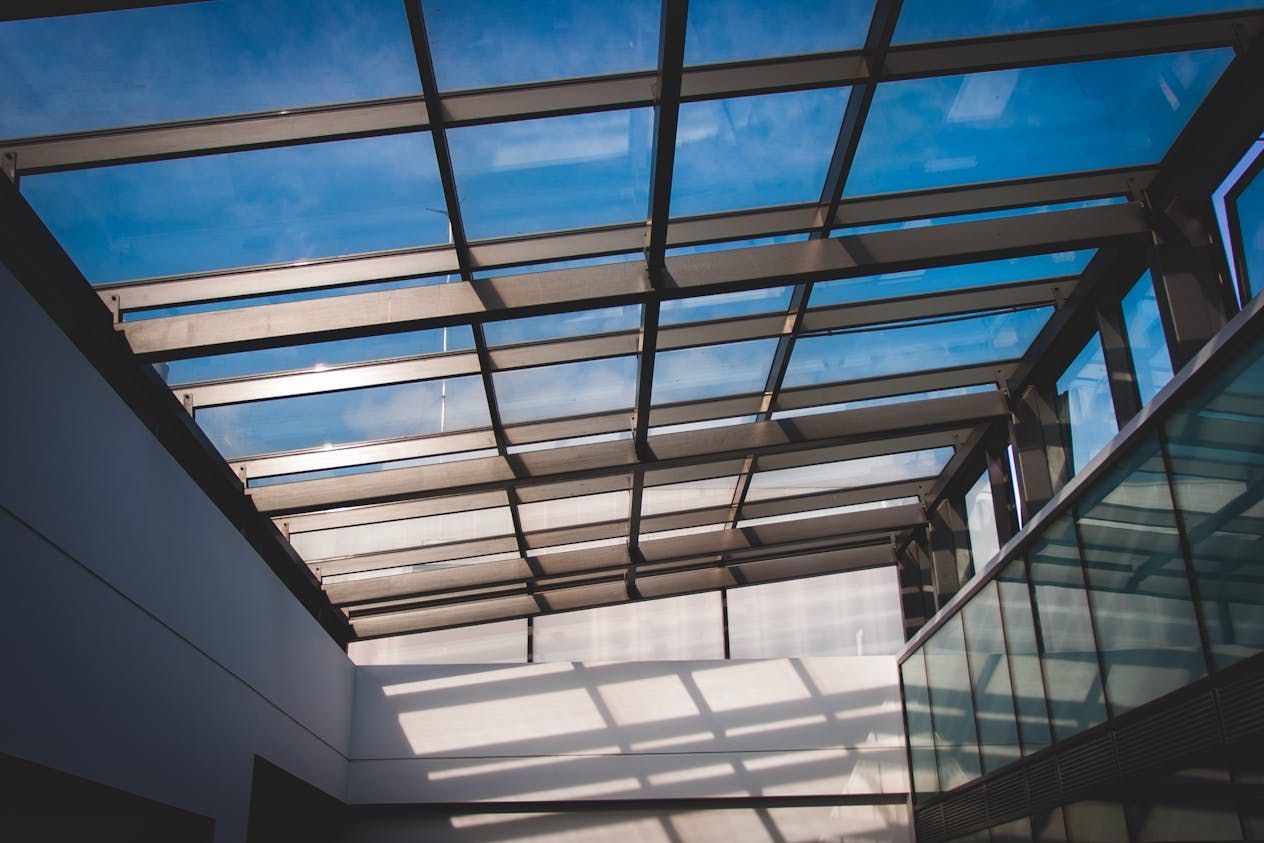
A glass extension typically uses large structural glass panels to form walls, roofs, or entire corners of a building. Unlike conventional extensions, which rely heavily on brick or blockwork for support, glass extensions aim for minimal visual obstruction, often reducing visible framing to a minimum.
This design approach changes how loads are supported and transferred. Instead of traditional walls carrying weight, structural elements such as steel frames, discreet supports, or specialist glazing systems are used to maintain both stability and the desired aesthetic.
Why structural assessment comes first
Before any design is finalised, a thorough structural assessment is essential. While many properties can accommodate some form of extension, not all are immediately suitable for a large, minimally framed glass structure.
A structural assessment looks at how the existing building behaves and whether it can safely carry additional loads. This includes understanding how weight is currently distributed and identifying where new loads from glass panels, roof elements, and support systems will be transferred.
Early input from a specialist such as Architectural Structural Glazing can help identify potential constraints at the outset, avoiding costly redesigns later in the process.
Can your existing structure support it?
One of the first questions homeowners ask is whether their current property can physically support a glass extension. The answer depends on several interconnected factors.
Key elements that are assessed include:
- Existing walls and whether they are load-bearing
- Foundation strength and depth
- The condition and structure of the current roof
- Available load-bearing points for new structural elements
For example, removing a rear wall to create an open-plan glass extension often requires introducing new structural support, typically in the form of steel beams. These beams redistribute the weight of the property above, ensuring stability is maintained.
How glass extensions are structurally supported
Despite their appearance, glass panels do not usually carry significant structural loads beyond their own weight and environmental forces such as wind. Instead, support is provided through carefully designed systems.
Common structural solutions include:
- Steel frames concealed within floors, ceilings, or slim profiles
- Structural glazing systems that use bonded glass for rigidity
- Hybrid approaches combining steel, aluminium, and glass
The goal is to achieve a balance between strength and visual minimalism. This is where specialist expertise becomes critical, as each design must be tailored to the specific property and layout.
Architectural Structural Glazing works closely with architects and engineers to ensure that structural support is both technically sound and visually refined.
The impact of property age and condition
The age and condition of your home can significantly influence what is possible. Older and period properties often present additional challenges that require careful handling.
Considerations include:
- Shallower or less robust foundations in older homes
- Variations in construction methods and materials
- Structural wear or movement over time
- Restrictions on listed buildings or conservation areas
In listed or heritage properties, planning constraints may limit what changes can be made, particularly to visible external features. In these cases, achieving a glass extension that meets both structural and regulatory requirements requires a highly considered, bespoke approach.
Properties that have already been extended may also need closer evaluation, as previous alterations can affect load distribution and foundation capacity.
Foundations and ground conditions
A glass extension is only as strong as the foundations beneath it. Even relatively lightweight structures can place new demands on the ground, particularly when large spans or open corners are involved.
Foundation considerations include:
- Whether existing foundations can support additional loads
- Soil conditions and load-bearing capacity
- The need for underpinning or new foundation systems
In some cases, foundation upgrades are required to ensure long-term stability. This is identified through site surveys and structural calculations, which form a critical part of the planning process.
Environmental forces and movement
Glass extensions must be designed to withstand a range of environmental factors. Wind loads, snow loads, and temperature changes all affect how the structure performs over time.
Thermal movement is particularly important in glass structures. As materials expand and contract with temperature changes, allowances must be made within the design to prevent stress or damage.
This is managed through:
- Movement joints within the structure
- Flexible seals and fixings
- Careful detailing at junctions between materials
Drainage and waterproofing are equally important. Junctions between glass, walls, and roofs must be precisely detailed to prevent water ingress while maintaining a clean, minimal appearance.
Building Regulations and planning considerations
In the UK, glass extensions must comply with Building Regulations, which cover structural safety, thermal performance, and other key aspects of construction. Approval is typically required before work begins, and structural calculations are a central part of this process.
Planning permission may also be required, depending on the size, location, and design of the extension. Guidance from the Planning Portal can help clarify when permission is needed, particularly for larger or more complex projects.
Working with experienced professionals ensures that both regulatory and structural requirements are addressed from the outset.
When designs need to be adapted
It is not uncommon for an initial design concept to evolve once structural realities are considered. This does not mean a glass extension is not possible, but it may require adjustments.
Common reasons for design changes include:
- Insufficient load-bearing capacity in existing walls
- Foundation limitations
- Constraints from neighbouring properties or boundaries
- Planning or conservation restrictions
Adaptations might involve introducing additional structural supports, adjusting spans, or refining the layout to better suit the building’s capabilities.
Why early collaboration matters
A successful glass extension relies on collaboration between architects, structural engineers, and glazing specialists. Each plays a distinct role in ensuring the design is both achievable and compliant.
Engaging a specialist like Architectural Structural Glazing early in the process allows feasibility to be assessed alongside design development. This integrated approach helps align aesthetics with structural performance, reducing risk and improving outcomes.
A practical starting point
If you are considering a glass extension, a few key questions can help you assess early feasibility:
- Is your property structurally sound and well-maintained?
- Have there been previous extensions or alterations?
- Do you know the condition of your foundations?
- Are there planning or heritage constraints?
- Have you consulted a structural or glazing specialist?
While these questions provide a useful starting point, definitive answers can only come from professional surveys and calculations.
Turning ideas into reality
Glass extensions offer a striking way to transform a home, but they demand careful structural planning behind the scenes. From load-bearing considerations to environmental performance, every detail must be resolved with precision.
Architectural Structural Glazing brings the technical expertise required to assess feasibility, develop bespoke solutions, and deliver structurally sound glazing systems. By working closely with homeowners, architects, and engineers, they help turn ambitious design ideas into practical, buildable realities.