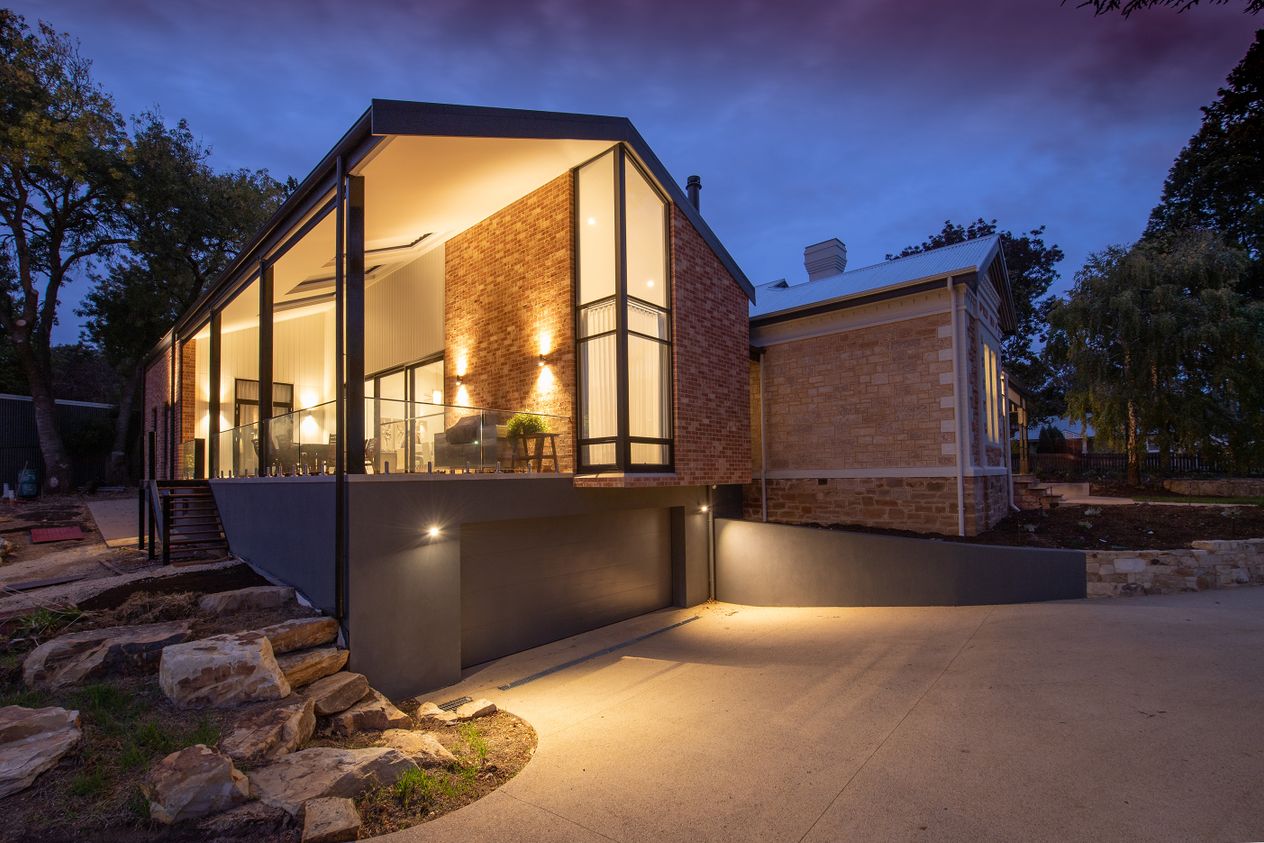
Glass extensions are often associated with temperature extremes. A common concern among homeowners and developers is that these spaces will become uncomfortably hot in summer and too cold to use in winter.
While this may have been true of older glazing systems, modern structural glazing has evolved significantly. Advances in glass technology, combined with thoughtful architectural design, now allow glass extensions to perform as comfortable, usable living spaces throughout the year.
The key lies in correct specification. When glazing systems are designed properly, they can regulate temperature effectively while still delivering the openness and light that define contemporary extensions.
Why Temperature Issues Occur
Temperature imbalance in glass extensions is typically the result of poor design or outdated materials rather than the presence of glass itself.
Large glazed surfaces naturally allow solar radiation to enter a space. Without the right type of glass, this can lead to excessive solar gain, particularly in south-facing extensions. At the same time, poorly insulated glazing can allow heat to escape during colder months, creating discomfort and inefficiency.
Other contributing factors include:
- Building orientation and exposure to direct sunlight
- Lack of shading or solar control measures
- Inadequate ventilation
- Older double glazing with limited thermal performance
These challenges highlight the importance of integrating both advanced materials and considered design strategies from the outset.
How Modern Glazing Solves These Problems
Solar Control Glass
Solar control glass is engineered to reduce the amount of solar radiation entering a building while maintaining high levels of natural light. It works by reflecting a portion of the sun’s energy away from the glass surface.
This significantly reduces the risk of overheating, making it particularly effective for large glazed elevations and roof glazing. The result is a bright, open space that remains comfortable even during warmer months.
Low-Emissivity (Low-E) Coatings
Low-E coatings play a crucial role in maintaining warmth during colder periods. These microscopically thin layers reflect heat back into the interior, preventing it from escaping through the glass.
When combined with other glazing technologies, Low-E glass helps stabilise internal temperatures and contributes to improved energy efficiency.
Double and Triple Glazing
Modern insulated glass units, whether double or triple glazed, are designed to minimise heat transfer. By incorporating sealed cavities filled with insulating gases, they create an effective barrier against external temperature changes. This ensures that glass extensions retain heat in winter while also limiting unwanted heat gain in summer, supporting consistent indoor comfort.
Thermally Broken Frames
While the glass itself is critical, the framing system also plays a vital role. Thermally broken frames include insulating barriers within the frame structure, preventing heat from transferring between the interior and exterior. This eliminates cold bridging, which can otherwise undermine the performance of even the most advanced glazing systems.
Design Strategies for Effective Climate Control
Glass specification is only one part of the solution. The overall design of the extension has a significant impact on temperature regulation.
Orientation is a key consideration. South-facing extensions benefit from solar control measures such as overhangs or brise soleil, which reduce direct sunlight during peak hours while still allowing daylight to enter.
Ventilation is equally important. Features such as roof vents, sliding glass systems and opening panels allow warm air to escape and promote natural airflow. This passive cooling approach can greatly enhance comfort without relying solely on mechanical systems.
In many projects, glazing is also integrated with heating and cooling solutions such as underfloor heating or HVAC systems. This ensures that temperature control is consistent and responsive throughout the year.
Building Regulations and Performance Standards
Modern glass extensions must comply with stringent UK building regulations designed to ensure energy efficiency and occupant comfort.
Under Approved Document L of the Building Regulations (Conservation of Fuel and Power), glazing systems must meet minimum thermal performance standards. This includes achieving specific U-values, which measure how effectively a window or glazed structure prevents heat loss. For new dwellings and many extension projects, glazing must also meet limits around solar gain and overall energy efficiency.
In addition, Approved Document O (Overheating) – introduced in 2022 as part of updates to the Building Regulations – addresses the growing risk of overheating in residential properties. The legislation requires designers to consider factors such as solar gain, ventilation and orientation, particularly in highly glazed spaces. This is especially relevant for glass extensions, where excessive sunlight can lead to uncomfortable internal temperatures during warmer months.
To demonstrate compliance, projects often involve SAP (Standard Assessment Procedure) calculations and thermal modelling. These assessments evaluate how a building is expected to perform in real-world conditions, allowing architects and glazing specialists to optimise specifications before construction begins.
Creating Year-Round Comfortable Living Spaces
A well-designed glass extension should feel like a natural continuation of the home, not a space that is only usable in certain seasons. Achieving this balance requires careful coordination between glass technology, structural design, and environmental considerations.
When these elements are aligned, glass extensions can offer:
- Abundant natural light without excessive glare
- Stable indoor temperatures across seasons
- Strong visual connection to outdoor spaces
- Energy-efficient performance that supports long-term use
How We Deliver Thermally Efficient Glass Extensions
The performance of a glass extension ultimately depends on the expertise behind its design and delivery. Each project presents unique challenges, from orientation and exposure to the specific requirements of the client.
Architectural Structural Glazing specialises in creating bespoke structural glazing solutions that are tailored to these variables. By combining advanced glazing technologies with in-house design, manufacture and installation, we ensure that every extension is engineered for both aesthetic impact and thermal efficiency.
Through careful specification and collaboration with architects and developers, we deliver glass extensions that remain comfortable throughout the year while meeting the highest standards of performance and compliance. Get in touch to find out more.