
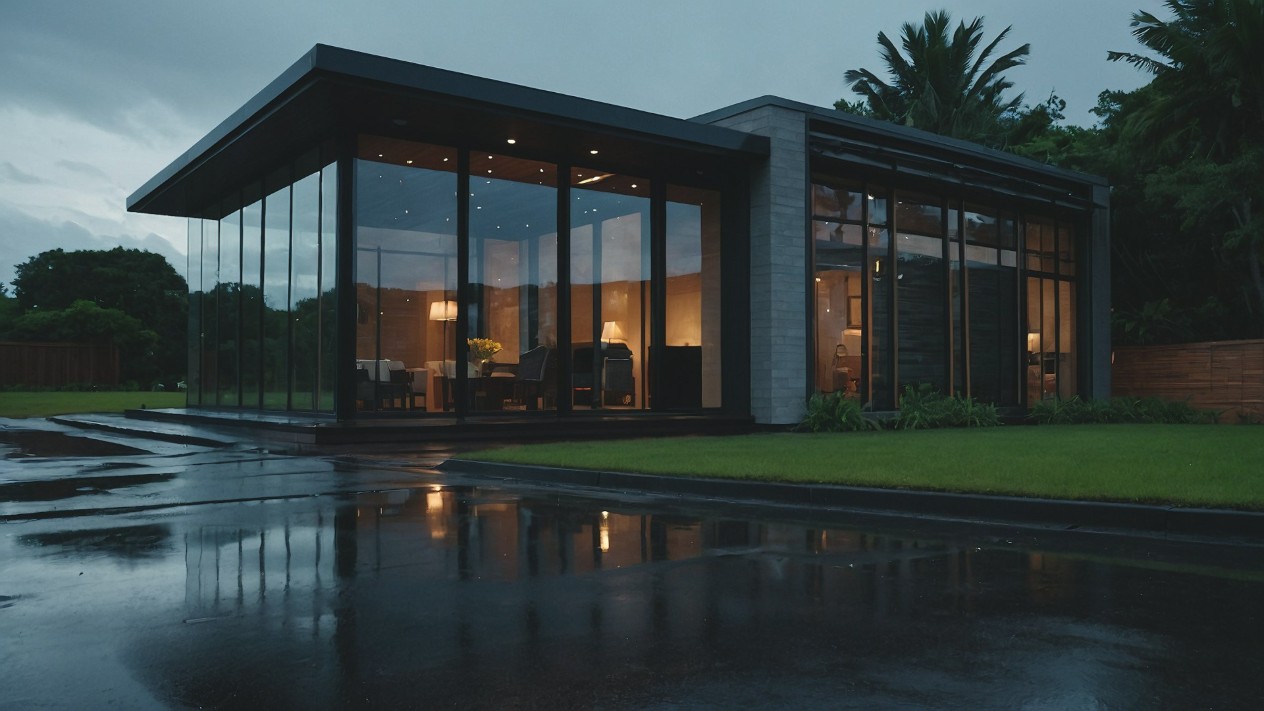
Structural glazing is a method of fixing glass to a building’s structure without the need for visible frames or bulky support systems. Unlike traditional glazing, which relies on mechanical framing, structural systems use advanced bonding techniques such as silicone sealants or concealed fixings to create clean, uninterrupted glass surfaces.
This approach allows architects and designers to achieve highly minimal, contemporary aesthetics while maintaining the structural integrity required for demanding applications. It is commonly used in large façades, glass extensions, curtain walling systems and feature glazing where transparency and visual continuity are essential.
Common Applications in Modern Architecture
Structural glazing is now a defining feature in both residential and commercial design. Its versatility allows it to be used across a range of applications, including:
- Full-height glazed façades for commercial buildings
- Frameless glass extensions and box windows
- Curtain walling systems for large-scale developments
- Rooflights and glazed roofs
- Internal partitions that maximise light flow
In each case, the choice of glass plays a critical role in achieving the desired balance between aesthetics and performance.
Key Types of Glass Used in Structural Glazing
Toughened Glass
Toughened glass, also known as tempered glass, is processed through controlled thermal treatment to significantly increase its strength compared to standard float glass. This makes it particularly suitable for structural and load-bearing applications.
When broken, toughened glass shatters into small, blunt fragments rather than sharp shards, reducing the risk of injury. Its strength and safety profile make it a common choice for exposed installations such as façades, balustrades and overhead glazing.
Laminated Glass
Laminated glass consists of two or more layers of glass bonded together with an interlayer, typically made from polyvinyl butyral (PVB). This construction ensures that, if the glass is broken, the fragments remain adhered to the interlayer rather than falling away.
This property makes laminated glass essential in applications where safety and security are paramount. It also offers additional benefits, including improved acoustic insulation and enhanced resistance to forced entry, making it well suited to both urban environments and high-end residential projects.
Insulated Glass Units (IGUs)
Insulated Glass Units are formed by combining two or more panes of glass separated by a spacer and sealed to create an air or gas-filled cavity. These units are central to improving the thermal performance of glazing systems.
Double glazing is widely used, while triple glazing provides even greater insulation where energy efficiency is a priority. IGUs are critical in meeting modern building regulations, particularly in relation to thermal performance and energy consumption.
Low-Emissivity (Low-E) Glass
Low-E glass is coated with a microscopically thin layer that reflects heat back into the building while still allowing natural light to pass through. This helps to reduce heat loss and improve overall energy efficiency.
In structural glazing systems, Low-E coatings are often combined with IGUs to achieve the required U-values for compliance with UK building regulations. The result is a high-performance solution that supports both sustainability goals and occupant comfort.
Solar Control Glass
Solar control glass is designed to limit the amount of solar radiation entering a building. By reducing glare and controlling solar gain, it helps to prevent overheating, particularly in large glazed elevations.
This type of glass is especially important in south-facing façades and commercial buildings with extensive glazing, where unmanaged solar gain can impact both comfort and energy use. It allows designers to maintain expansive glass surfaces without compromising internal conditions.
Self-Cleaning Glass
Self-cleaning glass features a special coating that uses daylight and rainwater to break down and wash away dirt. This significantly reduces maintenance requirements, particularly in hard-to-access areas.
For large-scale structural glazing installations, such as high façades or overhead glazing, this can provide long-term practical benefits without detracting from the overall design.
Performance Considerations in Glass Specification
Selecting the appropriate glass for structural glazing involves more than aesthetic preference. Each project must address a range of performance criteria to ensure long-term success.
Structural integrity is a primary concern, particularly in load-bearing applications. Glass must be specified to withstand wind loads, impact and other environmental stresses without compromising safety.
Thermal performance is equally important, especially in the context of Part L compliance in the UK. High-performance glazing systems must minimise heat loss while managing solar gain to maintain energy efficiency.
Acoustic insulation can also be a key consideration, particularly in urban or high-traffic environments. Laminated and multi-layered glass configurations can significantly reduce noise transmission.
All glazing must meet relevant safety standards, including BS EN regulations, ensuring that installations are both compliant and fit for purpose.
Emerging Innovations in Structural Glazing
Advancements in glass technology continue to expand what is possible in architectural design. Smart glass, for example, uses electrochromic technology to adjust its transparency in response to light or user control, offering dynamic control over privacy and solar gain.
Vacuum glazing is another emerging solution, delivering exceptional thermal performance through a very thin profile. This makes it particularly attractive for projects where space and weight are constrained.
Sustainability is also becoming a central consideration, with increasing focus on reducing embodied carbon and improving the lifecycle performance of glazing materials. These innovations are shaping the future of structural glazing and influencing how projects are designed and delivered.
Delivering High-Performance Glazing with Architectural Structural Glazing
The effectiveness of any structural glazing system depends on how well its components are specified and integrated. Achieving the right balance between aesthetics, structural performance and environmental efficiency requires both technical expertise and a deep understanding of architectural intent.
Architectural Structural Glazing works closely with architects, designers and developers to specify and deliver bespoke glazing solutions tailored to each project. By combining in-house design, manufacturing, and installation capabilities, ASG ensures precision at every stage, from concept through to completion.
Whether integrating multiple glass types into a complex façade or delivering a seamless glass extension, our focus remains on achieving refined, high-performance outcomes that align with both design vision and regulatory requirements.