
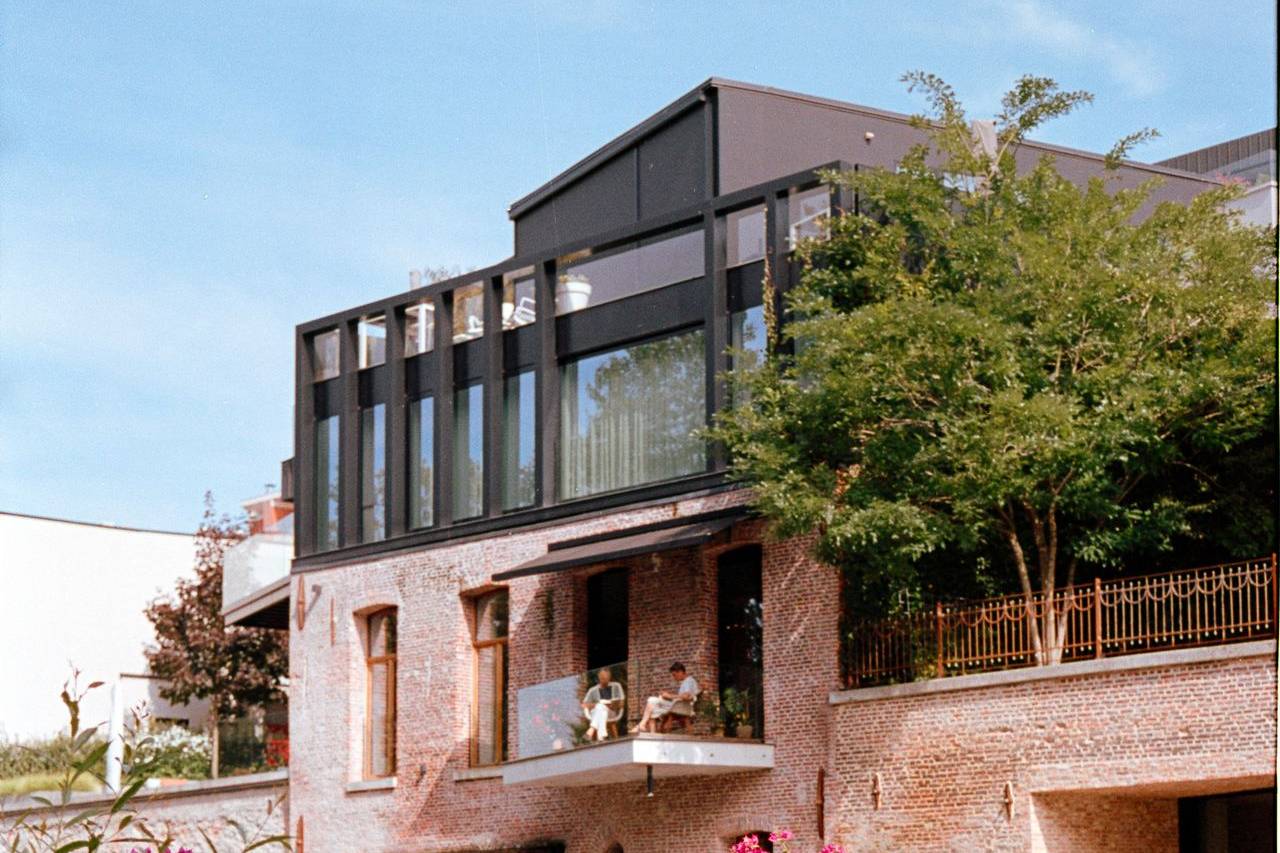
Anyone weighing up a glass extension arrives at the same worry sooner or later: will it mean a lifetime of cleaning? It is an understandable concern and it puts people off more often than cost does.
The honest answer is that a well specified glass extension needs less attention than most homeowners expect, and considerably less than the conservatories that gave glazed rooms their reputation. Modern coatings, sealed units and engineered hardware do most of the work.
Day to day cleaning and care
For most of the year, glass wants nothing more than warm water, a little detergent and a soft cloth or squeegee. Two or three cleans a year is usually enough for the outside of a typical extension, with the inside done as often as any other window.
Self-cleaning coatings reduce that further. They use a treated outer surface to break down organic dirt and let rainwater sheet away rather than bead, which makes them worth specifying on any pane that will be difficult to reach.
- Avoid abrasives: scouring pads, blades and gritty cloths scratch coatings permanently.
- Skip strong solvents: they can attack sealants and gaskets even where the glass itself is unharmed.
- Rinse before you wipe: dry-wiping dust across a pane causes most of the fine scratching people notice later.
Frames, seals and moving parts
Aluminium framing is powder coated, so it wants washing rather than painting or treating. A wipe down whenever you clean the glass stops salt, pollen and traffic film etching the finish, which matters more in coastal and roadside locations than people realise.
Gaskets and seals are the parts genuinely worth inspecting. Once a year, run an eye along the perimeter for gaskets that have shrunk back at the corners, and check the drainage slots in the frame are clear. Blocked drainage sits behind a surprising share of the leaks that get blamed on the glass.
Sliding and pivot hardware carries a great deal of weight, so it repays attention. Keep the bottom track free of grit, the main cause of stiff or noisy operation, and lubricate rollers and locking gear with the product the system manufacturer specifies rather than a general purpose spray.
Rooflights and glazing you cannot reach
Overhead glazing is where people expect trouble, and it is the one area worth planning for at design stage rather than after handover.
Pitched and sloping roof glazing sheds water and dirt reasonably well on its own. Flat or shallow glazing does not, and will show more staining between cleans. Where access is awkward, the practical answers are a self-cleaning outer pane, a specification a window cleaner can reach with a water fed pole, or budgeting for one annual visit from someone with the right access equipment.
Condensation, drainage and the surrounding structure
Condensation on the room side of the glass is almost always a ventilation issue rather than a glazing fault. Kitchens and rooms with a lot of planting generate moisture, and a glazed room with a cool outer surface is simply where it shows first. Trickle ventilation, extraction at source and opening the doors periodically deal with it.
Condensation between the panes of a sealed unit is a different matter. It means the unit has failed and needs replacing, and it is normally covered while the unit remains in warranty. Outside the glass, keep gutters and outlets clear, because standing water at the foot of a glazed structure leads to staining and eventually to problems at the threshold.
How specification decides the workload
Most of a glass extension’s long term maintenance is settled before anything is installed. The quality of the sealed units, the coatings chosen, the finish of the framing, the drainage detail and the hardware between them determine how much attention the finished room ever needs.
- Good sealed units: last far longer before edge seal failure than budget alternatives.
- Solar control coatings: cut heat gain, which removes the temptation to add blinds or retrofit films later.
- Thermally broken framing: keeps internal surfaces warmer and reduces surface condensation.
- Properly detailed drainage: is the single biggest factor in whether water ever becomes a problem at all.
It is the same thinking that shapes how we approach a glass box extension, where the aim is a room that looks effortless and stays that way.
A simple year round routine
None of this needs a diary entry, but a rough seasonal rhythm keeps everything in good order.
- Spring: full clean inside and out, check gaskets and clear the frame drainage.
- Summer: keep tracks free of grit and check opening panels still run smoothly.
- Autumn: clear gutters and outlets before leaf fall, and wash down the frames.
- Winter: watch for internal condensation and ventilate rather than wiping repeatedly.
Built well, easily kept
A glass extension is not a high maintenance addition to a house. It is a few cleans a year, an annual look at the seals and drainage, and a little care with the moving parts. The things that turn that into a chore, poor sealed units, awkward access and weak drainage detailing, are decisions taken at specification stage rather than consequences of building in glass.
At Architectural Structural Glazing we specify and install with that long view in mind, from coating choice through to how the finished structure sheds water. If you are planning an extension and want to understand what looking after it will really involve, get in touch and we will talk it through against your own design.