
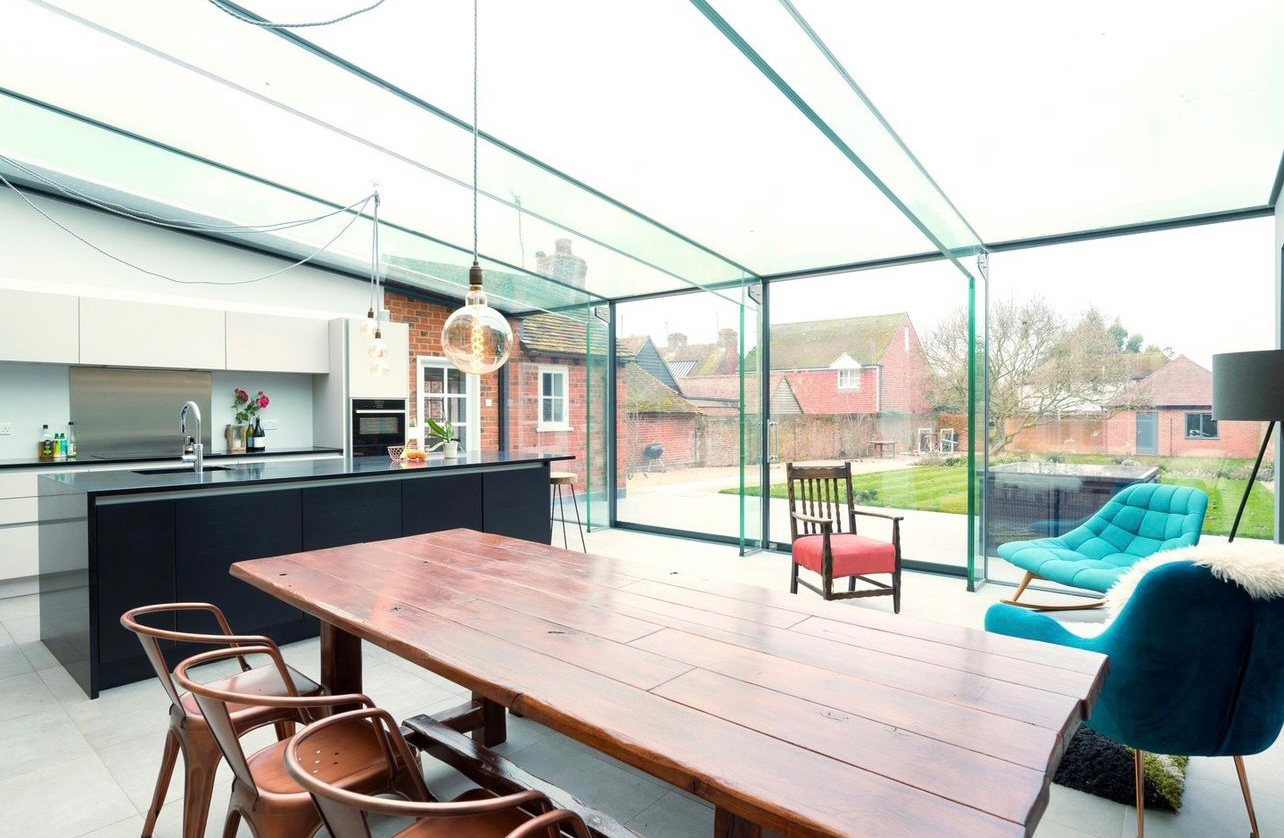
Indoor–outdoor living has become one of the most sought-after qualities in contemporary UK homes. Whether part of a renovation, extension or new build, homeowners and architects are increasingly looking for ways to dissolve the boundaries between inside and out. Thoughtfully designed glazing plays a pivotal role in this shift, creating fluid transitions, enhancing natural light, and establishing a more intimate connection with gardens and surrounding landscapes.
As glazing technology has advanced, so too has the potential for architecture that feels open, uplifting and effortlessly modern. Today, the right combination of glass, framing and detailing can turn everyday spaces into expansive environments where nature becomes a central feature of the home.
Glazing Systems That Create Seamless Transitions
Floor-to-Ceiling Sliding Doors
Large-format sliding systems remain one of the most effective ways to achieve indoor–outdoor continuity. Their broad glazed panels, minimal framing and smooth operation create panoramic views and generous openings without interrupting sightlines. When closed, they allow daylight to penetrate deep into the plan; when open, they form a clean, unobtrusive connection to patios, terraces and gardens. High-performance sliding doors also maintain excellent thermal insulation, ensuring year-round comfort.
Bi-Fold Doors
Bi-fold systems offer exceptional flexibility. By folding neatly to one side, they can open entire elevations, creating a dramatic sense of openness during warmer months. For homeowners looking to transform a kitchen, dining area or living space into an outdoor-facing extension of the home, bi-fold doors deliver versatility and a powerful connection to the garden. Modern systems with slender frames enhance transparency even when closed.
Structural Glass Walls and Corner Glazing
For those seeking a more architectural approach, structural glazing offers the most minimal boundary of all. Frameless glass walls, glass corners and fixed structural panes create uninterrupted views and near-invisible transitions. These systems are especially impactful where the aim is to introduce abundant daylight, highlight garden features, or evoke the clarity of contemporary pavilion-style design. Structural glazing also integrates easily with sliding systems, resulting in a balanced composition of operable and fixed elements.
Flush Thresholds and Frameless Detailing
A true indoor–outdoor connection requires continuity underfoot. Flush thresholds remove visual and physical barriers, allowing floor finishes to run seamlessly from interior to exterior. Combined with slim perimeter details and concealed drainage, this creates a cohesive architectural language. Frameless glass edges, recessed tracks and minimal junctions further reinforce the sense of unbroken space.
Designing for Performance in the UK Climate
Achieving openness must be balanced with performance. British weather demands glazing systems that deliver high levels of comfort, insulation and durability.
Thermal Efficiency
Modern insulated glazing units (IGUs) use advanced coatings, low-emissivity layers and argon or krypton gas fills to reduce heat loss while maximising natural light. These elements work together to maintain stable indoor temperatures, making expansive glazing suitable even for northerly or exposed locations.
Solar Gain and Orientation
South- and west-facing elevations can experience increased solar gain. Solar-control glass helps manage this, reducing glare and overheating without diminishing clarity. For east- or north-facing spaces, high-light-transmission glass may be chosen to enhance brightness. Understanding orientation early in the design process ensures glazing feels responsive to its setting.
Weatherproofing and Drainage
Robust weather seals, engineered thresholds and discreet drainage channels are essential in the UK. These elements protect the interior during heavy rain and prevent the ingress of moisture while maintaining minimal detailing. High-quality systems ensure effortless operation regardless of seasonal conditions.
Balancing Openness with Insulation
Expansive glazing must also perform acoustically and thermally. Modern multi-layered glass assemblies achieve strong insulation values, maintaining the calm, comfortable environment expected in contemporary living spaces.
Light, Views and Spatial Quality
Glazing transforms not only a property’s functionality but also the atmosphere of its interior.
Minimal Framing for Enhanced Sightlines
Slimmer profiles provide clearer views, greater luminosity and a stronger sense of scale. With less visible framing and more glass, rooms feel instantly larger and more connected to the outdoors.
Ultra-Clear Glass for Visual Purity
Low-iron glass eliminates the green tint found in standard glazing, resulting in neutral colour transmission and exceptional clarity. For homeowners seeking pristine transparency, particularly in spaces overlooking gardens, pools or landscapes, this is a valuable specification choice.
Using Orientation to Optimise Daylight
The character of natural light changes throughout the day. East-facing glazing introduces soft morning brightness; south-facing glass maximises warmth; west-facing elevations capture the evening glow. Thoughtful placement can enhance mood, reduce reliance on artificial lighting, and shape the daily rhythm of a space.
Framing Views and Shaping Atmosphere
Glazing functions as a visual tool as much as a technical one. Positioning openings to frame garden features — mature trees, planted borders, courtyards or water elements — creates depth and spatial drama. As a result, interiors feel more curated, calm and architecturally considered.
Privacy, Adaptability and Contemporary Glazing Innovations
Transparency does not have to compromise privacy. Selective placement of glazing, subtle screening, or strategic landscaping can maintain seclusion while preserving openness.
Smart and Switchable Glazing
For adaptable living, switchable glass allows users to shift between transparency and privacy at the touch of a button. This makes it ideal for bathrooms, bedrooms, street-facing rooms or multifunctional spaces where openness is desired at some times and discretion at others.
Modulating Light and Glare
Specialist coatings, tinted glass and solar-control layers allow homeowners to enjoy the benefits of expansive glazing while moderating heat and light. This ensures the atmosphere remains comfortable throughout the year.
Bringing Architecture and Landscape Together
Indoor–outdoor living is more than a design trend; it is a lifestyle shift towards openness, natural light and spatial freedom. Advanced glazing systems enable this transformation, creating elegant, resilient connections between home and garden.
At ASG, our expertise in bespoke architectural glazing allows us to support homeowners and architects in realising these ambitions. From ultra-clear structural glass to precision-engineered sliding systems, we develop solutions that honour both the architectural intent and the practical demands of the UK climate.
For those exploring ways to bring indoor–outdoor living to life, our team can advise on glazing possibilities, system performance and design integration. Speak with us to discuss your project vision and explore the glazing options best suited to your home. Alternatively you can request a quote directly from our website.