
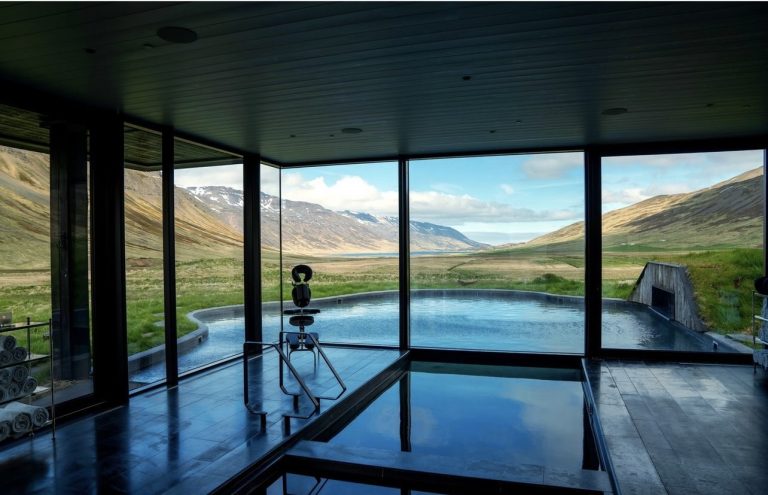
In contemporary architecture, the pursuit of light has become a defining theme. As homes and workspaces move towards more open, fluid layouts, glazing plays an ever greater role in shaping how a building feels and functions. Slimline aluminium windows and doors have emerged as one of the most effective ways to create interiors that are bright, refined and visually calm – a balance of engineering and elegance that speaks to the modern aesthetic.
For ASG, these systems offer an opportunity to elevate a project’s architectural language. When carefully specified, a slim aluminium frame becomes far more than a supporting structure: it becomes a point of clarity, a way of drawing the eye to the quality of light, the depth of the view, and the clean geometry of a space. In many ways, the frame that almost disappears is the one that defines the architecture most powerfully.
A Minimal Frame with a Strong Architectural Presence
The appeal of slimline aluminium windows lies in their restraint. Narrow sightlines allow glazing to take precedence, creating the impression of a façade drawn with a careful, confident hand. The simplicity of the frame allows interior materials to breathe; walls feel lighter, ceilings feel higher, and the boundary between inside and outside becomes more nuanced.
Yet the aesthetic strength of these systems is matched by the quiet intelligence behind them. Aluminium offers remarkable rigidity relative to its weight, enabling the creation of slender profiles that can support large panes without distortion. This structural stability gives architects the freedom to use glass as a more expressive, expansive material – achieving wider openings, cleaner junctions and more subtle architectural transitions.
The result is a window that asserts itself not through visual bulk, but through precision. It complements contemporary building forms, whether the design calls for crisp, rectilinear elevations or more organic compositions softened by natural light.
The Performance Behind the Minimalism
Although slimline systems appear delicate, their technical performance is anything but. Advances in thermal break technology, glazing coatings and insulated profiles mean that these windows now meet demanding energy standards without the need for heavy or intrusive frames. High-quality aluminium systems consistently achieve low U-values, maintain airtightness under challenging weather conditions and retain their integrity over decades of use.
This level of performance is essential for both residential and commercial projects. A slimline frame can only succeed architecturally when it also succeeds thermally and structurally. This is where careful specification – and the right glazing partner – becomes crucial. At ASG, we work closely with design teams to ensure that the chosen system supports the overall fabric performance, from the configuration of glazing layers to the integration of solar-control coatings, acoustic laminates or enhanced security requirements.
Just as important is the durability of the frame itself. Aluminium does not warp or swell with moisture, and its stable profile makes it well suited to locations exposed to wind or coastal air. Powder-coated and anodised finishes provide long-lasting protection, with an extensive palette of colours that allows the window to blend quietly into its surroundings or take on a more architectural presence where required.
Light, Proportion and the Design Narrative
Beyond performance, slimline aluminium windows have a transformative effect on interior atmosphere. The transparency they allow creates softer gradients of daylight, a more seamless visual flow, and a clearer connection to landscape and sky. The quality of this light – and the way it interacts with the room – becomes a defining design element.
These systems also support more nuanced control of proportion. Because the frame is reduced to its essential form, the design relies on careful alignment: the height of the sill, the position of a transom, the relationship between frame lines and architectural geometry. When executed with precision, this subtle coordination creates a rhythm across the façade that feels intentional rather than imposed.
ASG frequently collaborates with architects at early design stages to refine these decisions. The choice of glazing thickness, the alignment of verticals, the depth of the frame within the wall build-up and the line of shadow they create can profoundly influence the final aesthetic. A millimetre or two in the wrong direction can disrupt an otherwise cohesive line. A millimetre in the right direction can transform the sense of refinement.
Integrated Design: Windows as Part of a Larger Architectural Vision
Slimline windows rarely exist in isolation. They are typically part of a broader glazing strategy that may include full-height fixed panes, sliding or pivoting doors, structural glass roofs or corner glazing. What matters is how these components relate to one another.
A coherent approach ensures that the slimness of the window frame is carried through the entire glazing language of the building. That might involve aligning the mullions of a window with the rails of a sliding system, matching finish textures, or achieving consistent shadow gaps and reveal depths across multiple interfaces. These considerations are subtle but essential, especially for premium residential and commercial projects where the architecture depends on continuous clean lines.
ASG’s role extends beyond product selection. Our value lies in understanding how each glazing element supports the whole. We interpret the design intent, examine junctions in detail, and ensure that the minimalism promised on paper is realised on site.
Thoughtful Installation: Precision Made Real
A slimline window can only perform as intended when the installation supports the quality of the system. The reduced frame demands exact tolerances; any deviation risks undermining the aesthetic simplicity the design aims to achieve. Clean junctions, consistent shadow gaps, correct thermal separation and properly sealed openings are all essential.
ASG’s in-house installation teams take a meticulous approach, ensuring that the technical performance aligns with the architectural vision. Good glazing should feel effortless, but making it effortless requires expertise behind the scenes.
Slimline aluminium windows encapsulate the qualities that define modern architectural design: clarity, restraint and a heightened sense of light. They create interiors that feel open and refined, and façades that are disciplined, elegant and visually coherent. When specified and installed with care, they become one of the most effective ways to elevate a building’s character.
For design teams exploring slimline solutions for an upcoming project, ASG offers the technical insight, collaborative approach and attention to detail needed to turn a minimal frame into a meaningful architectural element. To discuss your design intent or explore system options, our team would be pleased to assist. Get in touch today.