
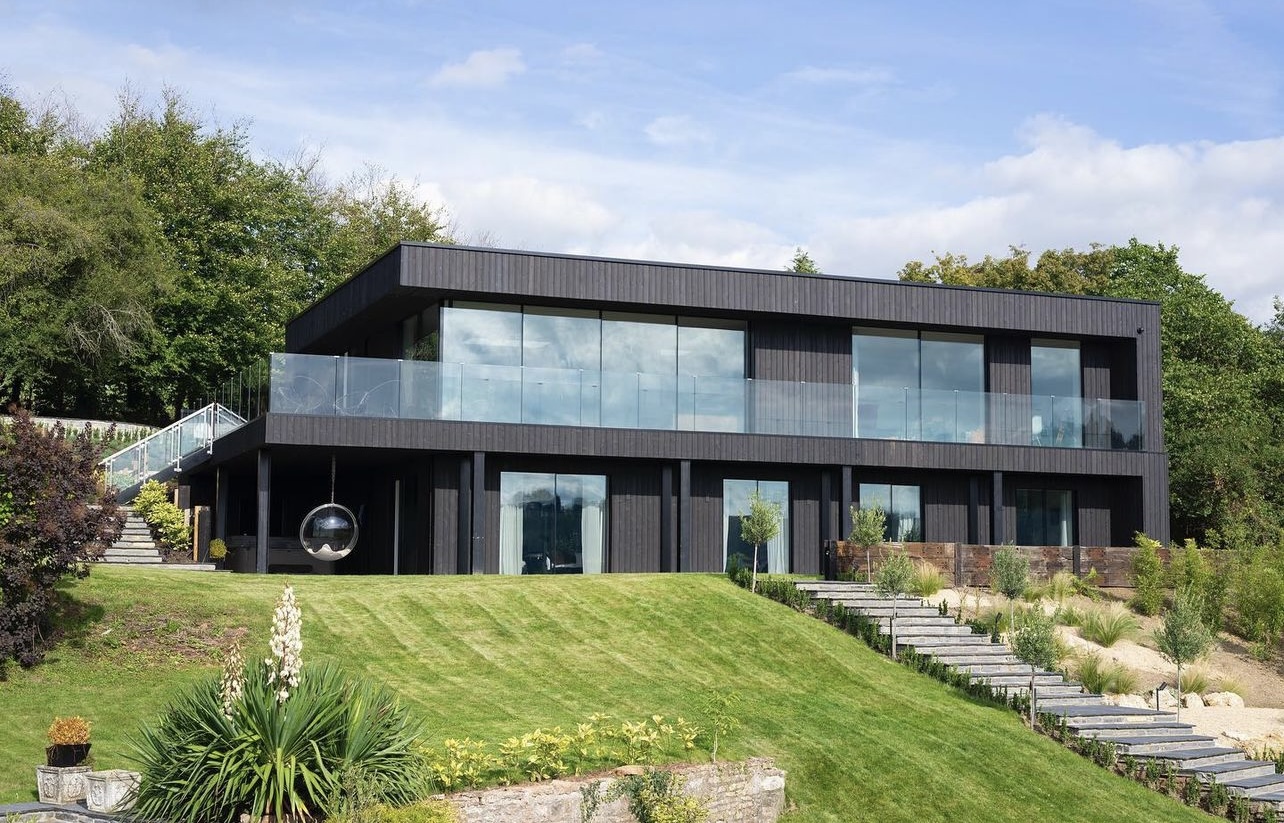
In the context of contemporary architecture, glass is much more than ‘just a material’; it defines light, space and connection, shaping the way we experience buildings. Over the past few decades, advances in engineering have transformed glass from a fragile surface into a robust, structural medium capable of carrying load, insulating interiors, and defining the architectural identity of a space. This progression has given rise to what we now call architectural structural glazing, an approach that unites aesthetic minimalism with structural integrity.
At its essence, architectural structural glazing is the art and science of using glass as both a visual and functional component of a building’s framework. It offers clarity and openness without compromising strength, embodying the precision and elegance at the heart of modern design. For architects, designers, and developers, understanding the principles behind structural glazing is essential to realising buildings that balance ambition with performance.
Defining Architectural and Structural Glazing
Although the terms are often used interchangeably, architectural glazing and structural glazing describe distinct yet interconnected approaches. Architectural glazing refers broadly to any glazed element within a building – such as façades, windows and rooflights – that brings light into the space while maintaining environmental performance. It is designed to deliver transparency, insulation and visual refinement. Think of ‘Architectural Glazing’ as a catch-all term for all glazing within a structure, from expansive façades to the glass panels set within doors and windows.
Structural glazing, by contrast, is glass that forms part of the building’s structure. In these installations, glass is not merely decorative or enclosing – it is load-bearing, engineered to carry vertical or horizontal forces within the building envelope. Whether in a wall, roof or floor, structural glazing takes an element of the structural load. Hidden fixings or silicone joints transfer forces discreetly into the supporting structure, creating the illusion of pure, uninterrupted transparency.
While architectural glazing shapes how a building looks and feels, structural glazing defines how it stands. Together, they create buildings that are both visually light and structurally robust – an achievement made possible only through rigorous engineering and precise detailing.
The Evolution of Structural Glazing
The concept of glass as a structural material is relatively recent in architectural history. While glass has been part of British architecture since the medieval period, its use was largely decorative or protective until the late twentieth century. It is only after developments in glass manufacturing, like lamination and bonding, that we see structural glazing come about as a distinct discipline.
Early forms, such as glass blocks in early twentieth-century factories, were among the first attempts to use glass as a load-bearing element. These systems allowed light to enter industrial buildings while maintaining privacy and structural stability. However, the true potential of structural glazing was realised with the advent of tempered and laminated glass, combined with high-performance silicones and precision-engineered fixings. These innovations enabled large glass panels to carry significant loads, both vertically and horizontally, and to be bonded directly to supporting structures without visible framing.
As glass technology advanced, so too did the ambition of architects. Structural glazing now wraps façades, forms roofs and staircases, and connects many buildings through glazed links and atria. Its evolution reflects the architectural desire for lightness, openness and a seamless relationship between inside and out.
The Principles of Structural Glazing Design
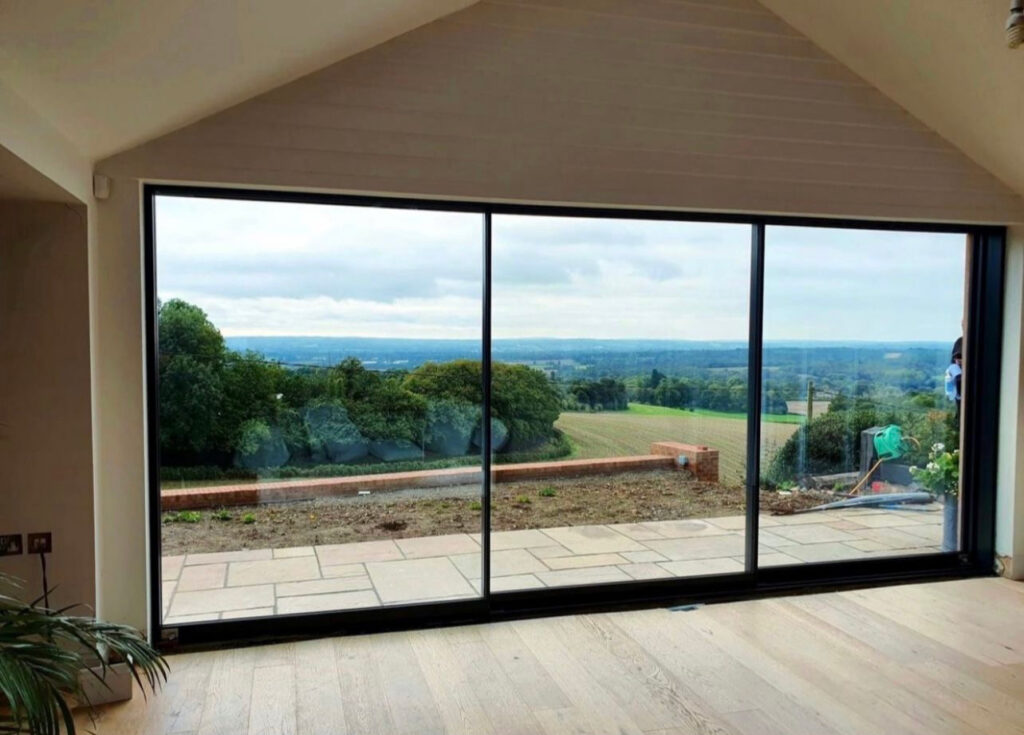
Designing with structural glass requires precision, collaboration and deep technical understanding. Unlike conventional window systems, there are no standard details or modular solutions. Each project is bespoke, developed through close coordination between architects, engineers and glazing specialists such as ourselves.
At the core of every design lies the principle of structural integrity. The glass must resist wind load, temperature variation and movement, while remaining optically perfect and safe under impact. Laminated assemblies – often combining multiple sheets of toughened glass with structural interlayers – provide both strength and redundancy, ensuring that even in the unlikely event of breakage, the pane remains intact and secure.
The method of fixing and support is equally critical. Structural glass relies on hidden channels, stainless-steel angles, or laminated fins that distribute loads invisibly into the surrounding frame. These elements are typically concealed within architectural finishes so that the viewer perceives only a continuous surface of pure glass. Structural silicones, engineered to exact tolerances, provide both flexibility and adhesion, accommodating differential movement while maintaining airtight and watertight seals.
Equally important is the consideration of thermal performance. Modern glazing systems integrate low-emissivity coatings, argon-filled cavities, and thermally broken edges to prevent heat loss and condensation. Contemporary structural glazing is designed to maintain stable internal temperatures throughout the day, avoiding the overheating or rapid heat loss once associated with large glass façades. These thermal strategies, combined with solar control coatings and ventilated cavities, allow glass buildings to perform as efficiently as those constructed from traditional opaque materials.
Finally, every element must adhere to regulatory and safety standards. UK Building Regulations now place strict requirements on impact resistance, structural loading and thermal efficiency. Frameless glass doors, once popular for their visual purity, are no longer compliant and should be replaced with minimal-frame alternatives that achieve the same architectural effect while meeting safety standards.
The Architectural and Human Benefits of Structural Glazing
The appeal of structural glazing extends far beyond aesthetics. It is transformative in both architectural and human terms. The most immediate benefit is light: large-scale glazing floods interiors with natural daylight, reducing the need for artificial illumination and enhancing wellbeing. Exposure to daylight regulates circadian rhythms, improves mood and fosters a sense of connection to the natural world. In commercial environments, this translates into healthier, more productive workplaces; in homes, it creates living spaces that feel open, calm and restorative.
Structural glazing also redefines spatial experience. By dissolving the visual boundaries between inside and outside, it allows architecture to engage directly with its surroundings. A glass wall can reflect a changing sky, frame a landscape or open a courtyard to the light. The result is a building that feels lighter and more dynamic.
From a technical perspective, structural glazing offers extraordinary design flexibility. Because each installation is engineered to order, it can adapt to a wide range of contexts – from contemporary new-builds to heritage refurbishments where discretion and transparency are key. Hidden fixings and minimal junctions allow glass to complement traditional materials such as stone or timber, maintaining the character of the original architecture while introducing a modern sense of precision and refinement.
Thermally, modern structural glazing performs at a high level. Low-E coatings, laminated interlayers, and controlled cavity ventilation ensure that comfort is maintained without compromising clarity. These assemblies also enhance acoustic performance, creating serene interiors that remain visually and physically connected to the outside world.
Durability is another defining advantage. Structural glass is inherently resistant to corrosion, UV degradation, and environmental wear. When installed with precision and maintained correctly, it can last for decades with minimal intervention. The combination of longevity, aesthetic timelessness, and performance efficiency makes it one of the most sustainable materials in architectural construction.
Applications Across Modern Architecture
Structural glazing’s versatility allows it to serve a wide variety of architectural purposes. Perhaps the most recognisable are structural glass façades, which define many of today’s landmark buildings. These façades create seamless transitions between interior and exterior, supported by either glass fins or minimal steel structures that appear almost invisible. They are equally effective in high-end residential design, where they create panoramic views and allow daylight to penetrate deep into living spaces.
Above, glass roofs and rooflights bring illumination to the heart of a structure. Engineered glazing systems balance light transmission with insulation and weatherproofing, incorporating drainage and expansion joints that ensure performance across seasons. These features can transform internal courtyards, stairwells, and galleries into luminous, uplifting spaces.
Glass links and walkways offer another distinctive application. By connecting different volumes of a building through transparent enclosures, they create visual continuity and architectural rhythm. These connections are particularly valuable in heritage or multi-building sites, where new elements must complement rather than dominate existing structures.
Finally, glass extensions and garden rooms show us the domestic potential of structural glazing. These fully glazed spaces blur the line between house and landscape, offering year-round comfort through advanced thermal control and discreet framing.
Design, Engineering, and Collaboration
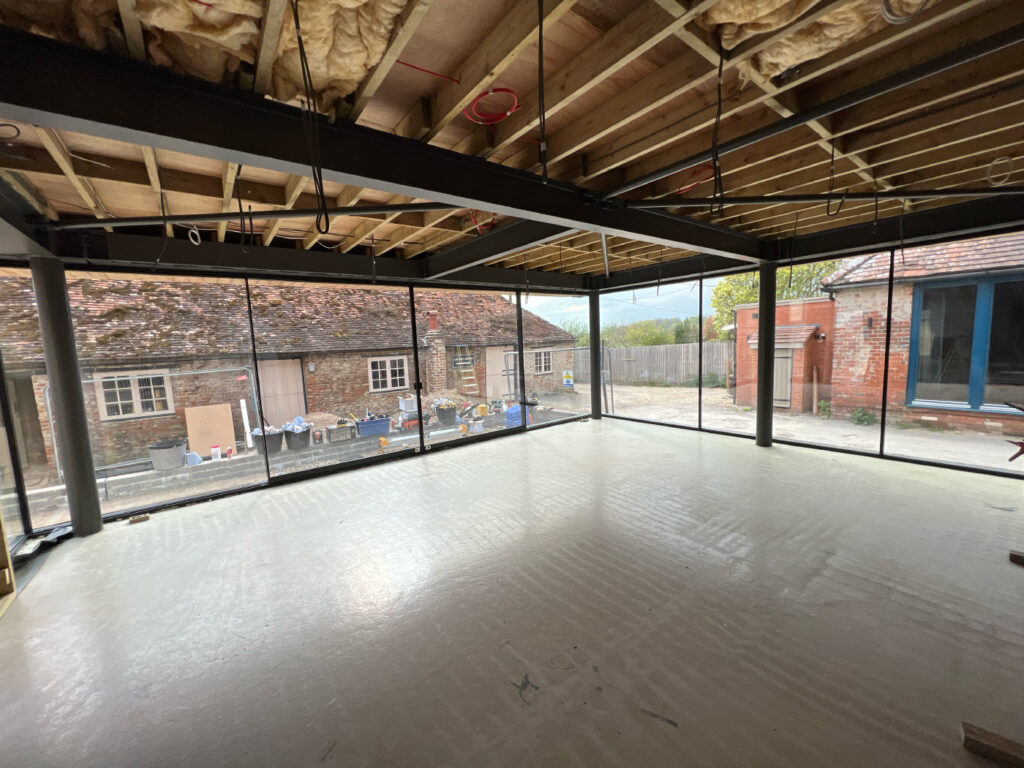
The process of creating an architectural structural glazing system is as rigorous as it is creative. Every successful installation begins with collaboration. Architects bring vision; engineers provide analysis; and glazing specialists translate concept into technical reality. Early-stage dialogue is essential to ensure that design intent aligns with structural feasibility, thermal performance and compliance requirements.
Once parameters are defined, detailed engineering begins. Glass thickness, lamination sequence, and fixing geometry are modelled using advanced analysis tools to predict deflection, stress, and load transfer. IQ Glass describes this as part of its “in-house detailed structural glass design process,” producing complete CAD drawings that integrate with the architect’s plans and specify every interface between glass and structure.
Precision fabrication follows, where each pane is cut, tempered, laminated, and finished to exact tolerances. Installation demands equal expertise. Specialist teams handle panels with millimetre accuracy, applying structural silicones, alignment systems, and weatherproof seals under controlled conditions. The result is a surface that appears effortless.
This combination of design collaboration, engineering rigour and skilled installation is what defines high-end structural glazing. It is not a product but a craft – one that requires experience, accuracy and unwavering attention to detail.
Selecting the Right Glazing Partner
Given the bespoke nature of every structural glazing project, the choice of partner is crucial. The quality of the final installation depends not only on the materials used but on the knowledge, precision, and accountability of the team delivering it. A reliable specialist must possess demonstrable experience across design, fabrication, and on-site execution, supported by a deep understanding of regulations and material performance.
At ASG, our approach is rooted in this comprehensive expertise. Every project begins with dialogue and collaboration, ensuring that creative ambition aligns seamlessly with engineering integrity. Our in-house design and installation teams maintain complete control of quality, allowing us to deliver precision-engineered solutions that embody both artistry and compliance. Each detail – from fixing geometry to surface finish – is considered with the same care, producing glazing systems that are as refined in their performance as they are in their appearance.
Through innovation, experience, and an unwavering commitment to detail, ASG continues to deliver bespoke glazing systems that embody architectural integrity – precision-engineered, elegantly minimal, and crafted to elevate every environment they define.
Contact us to discuss your project vision or to explore bespoke architectural structural glazing solutions tailored to your design goals.