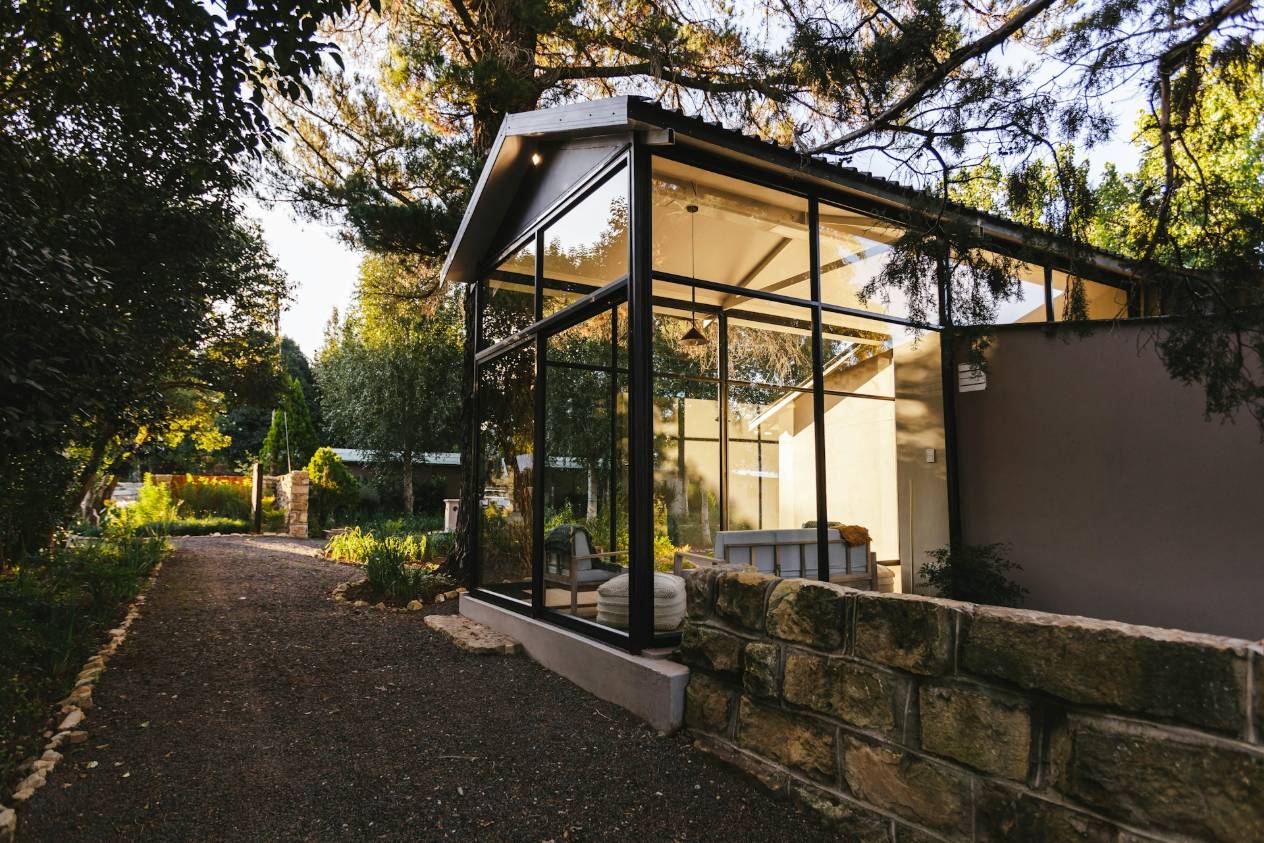
Glass box extensions have become one of the most striking ways to transform a home. Clean lines, uninterrupted views, and an abundance of natural light make them a defining feature of contemporary architecture.
Whether added to a period property or a modern build, a well-designed glass extension can completely redefine how a space feels and functions.
What is a glass box extension?
A glass box extension is a modern addition to a property that uses structural glazing to create a largely transparent space.
Unlike traditional extensions with standard windows and walls, glass box designs rely on frameless or minimal-frame glazing. This creates a seamless, almost invisible boundary between the interior and exterior.
The result is a light-filled, architectural feature that feels open, fluid, and connected to its surroundings.
Key design characteristics
Glass box extensions are defined by a few distinctive features that set them apart.
Minimal or frameless glazing
Structural glass panels are used with minimal visible framing, creating clean lines and uninterrupted views.
Floor-to-ceiling glass
Full-height glazing maximises light and enhances the sense of openness, making even smaller spaces feel expansive.
Cornerless glazing
By removing visible corner supports, glass can meet at right angles without bulky frames, creating a truly seamless effect.
Sliding or openable glass walls
Large sliding doors or glazed panels allow spaces to open fully onto gardens or patios, strengthening the indoor–outdoor connection.
Architectural benefits
Glass box extensions are not just visually striking, they also offer practical advantages.
Maximising natural light
Natural light floods the space throughout the day, reducing reliance on artificial lighting and creating a brighter, more inviting environment.
Seamless connection to the outdoors
By visually and physically linking the interior with the garden, these extensions make outdoor spaces feel like part of the home.
Enhancing contemporary aesthetics
The clean, minimalist look of structural glazing complements modern design while also providing a contrast to traditional properties.
Popular uses in UK homes
Glass box extensions are versatile and can be adapted to suit a range of living needs.
Kitchen extensions
One of the most common uses is to create a modern kitchen space that opens onto the garden. The combination of light and openness works particularly well for social, open-plan layouts.
Garden rooms
A glass box can function as a calm, light-filled retreat, ideal for relaxing, working, or entertaining.
Dining spaces
Dining areas benefit from the connection to the outdoors, creating a unique setting for everyday meals or hosting guests.
Design inspiration
Glass box extensions can take many forms depending on the property and design intent.
Rear glass cubes on period homes
Adding a sleek glass cube to the rear of a Victorian or Georgian property creates a striking contrast between old and new.
Glass kitchen extensions with roof glazing
Incorporating structural glass roofs or rooflights enhances daylight even further, particularly in deeper floor plans.
Glass link extensions
Glass can be used to connect separate parts of a property, creating a light-filled transition space that highlights both structures.
Structural considerations
Behind the simplicity of a glass box extension is a high level of technical expertise.
Load-bearing glass
Structural glazing can support significant loads when properly designed, allowing for minimal framing without compromising strength.
Thermal performance
Modern glazing systems are engineered to provide strong insulation, helping maintain comfortable indoor temperatures throughout the year.
Solar control
Specialist coatings and glass specifications can manage heat gain and glare, ensuring the space remains usable in all seasons.
Planning permission considerations
In many cases, glass box extensions may fall under permitted development rights, but this depends on factors such as size, location, and property type.
For listed buildings or properties in conservation areas, additional permissions are often required. Early consultation with professionals can help navigate these requirements smoothly.
What affects the cost of a glass box extension?
Glass box extensions are typically considered a premium addition.
Costs can vary depending on:
- Size and scale of the extension
- Complexity of the design, including corners and roof glazing
- Structural requirements and engineering
- Specification of the glazing system
While the investment is higher than standard extensions, the design impact and added property value can be significant.
Working with structural glazing specialists
Delivering a successful glass box extension requires close collaboration between designers, engineers, and installers.
Architectural Structural Glazing specialises in bespoke structural glass solutions across Bristol and the South West. From frameless glass walls to complete glass box extensions, we work with architects, builders, and homeowners to bring contemporary designs to life.
Our in-house expertise covers design, manufacture, and installation, ensuring each project meets both aesthetic and technical requirements.
Transforming your living space with glass
A glass box extension is more than just an addition, it is a statement of how you want to live.
By opening up your home to light, space, and the surrounding environment, it creates a completely different living experience.
If you are considering a contemporary extension, working with a specialist team can help you explore what is possible and achieve a result that is both functional and visually exceptional.
Speak with Architectural Structural Glazing to discuss your project and discover how structural glass can transform your home.