In contemporary residential design, few additions transform a home as completely as a glass box extension. Defined by its clarity, symmetry and light, it represents the meeting point of architecture and landscape – where interior space flows seamlessly into the outdoors. More than an aesthetic gesture, it’s a technical achievement that combines the artistry of design with the precision of structural glazing.
Where a traditional extension adds volume, a glass box extension adds atmosphere. It changes the way light moves through a home, opens rooms to their surroundings, and creates a new spatial rhythm that feels calm, modern, and connected.
What Is a Glass Box Extension?
A glass box extension is a fully glazed structure, usually formed from large structural glass panels that make up the walls and roof of the addition. These panels are joined with minimal framing or structural supports to create a clean, transparent envelope. The result is a space that feels at once enclosed and open – an architectural composition of light, reflection, and proportion.
Unlike conventional conservatories, a glass box extension is designed to be part of the architecture rather than an addition to it. The glazing is engineered to carry structural loads and resist environmental forces, often using laminated or toughened glass for strength and safety. Advanced bonding techniques, hidden fixings, and thermally efficient frames maintain the visual purity while ensuring compliance with today’s building regulations.
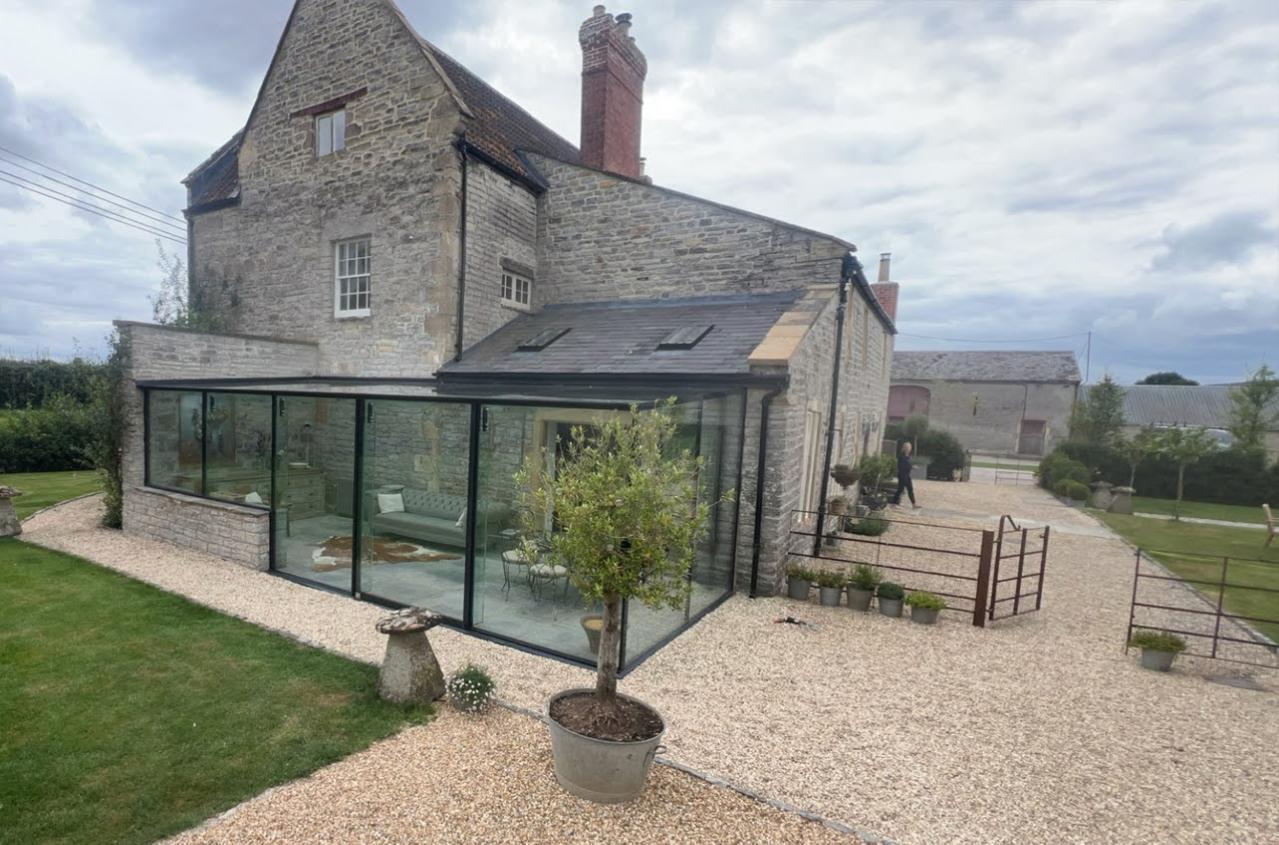
From compact dining spaces to full-width garden rooms, glass box extensions can be designed to suit almost any property. They work equally well as contemporary additions to period homes or as seamless continuations of modern architecture.
Designing With Light
Light is the defining material of a glass box extension. By surrounding a space with transparent planes, the architecture invites daylight to animate every surface. Morning light spills across the floor; by afternoon, shadows shift and lengthen; at night, the structure glows softly from within. This ever-changing quality of light makes a glass extension feel alive – a dynamic counterpoint to the solidity of the main building.
Orientation plays a central role in how the space performs. South-facing elevations capture maximum light but must be balanced with effective solar control. High-performance coatings, such as low-emissivity and solar-reflective layers, filter ultraviolet and infrared rays without reducing clarity. West-facing rooms benefit from spectacular evening light, while north-facing designs often achieve the most consistent, diffuse daylight throughout the year.
Roof glazing is critical to this choreography of light. Structural glass roofs, or rooflights set within steel or aluminium supports, introduce vertical illumination and a sense of openness that conventional pitched roofs simply can’t achieve. Carefully considered drainage channels and thermal breaks ensure performance remains as refined as the design.
Structure and Detailing
Beneath the apparent simplicity of a glass box lies a framework of engineering precision. Each panel is measured, modelled, and manufactured to exacting standards, ensuring that the structure performs flawlessly while appearing effortless.
The supporting framework – typically aluminium, stainless steel, or laminated glass beams – is designed to be as discreet as possible. These elements transfer the weight of the glass and roof loads into the existing building, maintaining both structural stability and visual minimalism. Corners may be detailed as clear glass-to-glass junctions, or refined with slender mullions that align perfectly with sightlines across the façade.
Joints are sealed with specialist silicones that remain flexible under movement, accommodating expansion while keeping the structure weather-tight. Thermal breaks within the framing system prevent cold bridging and condensation. Even the base junctions, where the glass meets the ground, are carefully detailed with hidden channels that drain water away invisibly. Every line, junction, and connection is resolved with technical subtlety, allowing the design to read as a single, crystalline volume.
Comfort, Performance, and Compliance
A glass box extension may appear lightweight, but its performance is anything but delicate. Modern structural glazing systems deliver exceptional insulation, acoustic comfort, and durability. Double or triple glazing with argon or krypton gas cavities, combined with low-E coatings, ensures that the interior remains warm in winter and cool in summer.
Ventilation and shading are equally important to comfort. Sliding panels, roof vents, and integrated blinds can be incorporated discreetly into the design. These elements allow homeowners to regulate temperature and privacy without compromising the architecture’s clarity.
Crucially, today’s glass extensions must comply fully with UK Building Regulations. Frameless glass doors – once a hallmark of minimalism – are no longer compliant for external access, so most modern systems now integrate ultra-slim framed openings that meet safety and thermal standards. These subtle frames preserve the aesthetic purity while ensuring the installation performs to the highest regulatory benchmarks.
The outcome is a structure that is as comfortable and efficient as any traditional room, but infinitely lighter in appearance.
Aesthetic Integration
The success of a glass box extension lies in how it meets the architecture it extends. When added to a period property, the contrast between old and new can be striking: solid walls and ornate detailing giving way to clean, transparent modernity. In contemporary homes, glass often serves as a continuation – reinforcing an existing architectural language of lightness and geometry.
Materials play a vital role in achieving harmony. Stone, brick, timber, or render can be detailed to meet the glazing neatly, ensuring a visual dialogue between structure and extension. Internally, restrained finishes such as timber floors, plastered walls, and minimal joinery amplify the sense of openness. The goal is always integration – a space that feels like a natural evolution of the home rather than a detached addition.
Crafting Transparency
Creating a glass box extension is as much a craft as it is a technical exercise. It demands precision engineering, expert installation, and an understanding of proportion and light. Every project begins with collaboration – between homeowner, architect, and glazing specialist – to balance design ambition with practical performance.
At ASG, this process is guided by experience in bespoke architectural glazing. Our team ensures that each design combines the clarity of glass with the warmth of inhabitable space, producing extensions that enhance both lifestyle and architecture. The result is not just additional room, but a transformation in how a home feels and functions.
A well-designed glass box extension is timeless. It captures the essence of contemporary architecture – simplicity, light, and connection – while embodying the precision and craftsmanship that define exceptional design.
Get in touch with ASG to discuss your bespoke glass extension today.